





Hair dyes and the nature of hair
Hair dyes are widely used to cover greys, enhance natural colour or change the shade of the hair. Their use is not automatically destructive, but most permanent dyes are not neutral for the hair fibre. They modify the structure of the hair shaft to deposit or develop colour, and this process can weaken the hair over time, especially when it is repeated frequently or carried out aggressively.
What dyes do not usually do is change the fundamental nature of the scalp itself. It is common to see people with an oily scalp and, at the same time, hair that is dry and damaged along the lengths because of colouring procedures. In these cases, the problem is not that the scalp has changed, but that the hair shaft has suffered from chemical processing.
How dyes act on the hair fibre
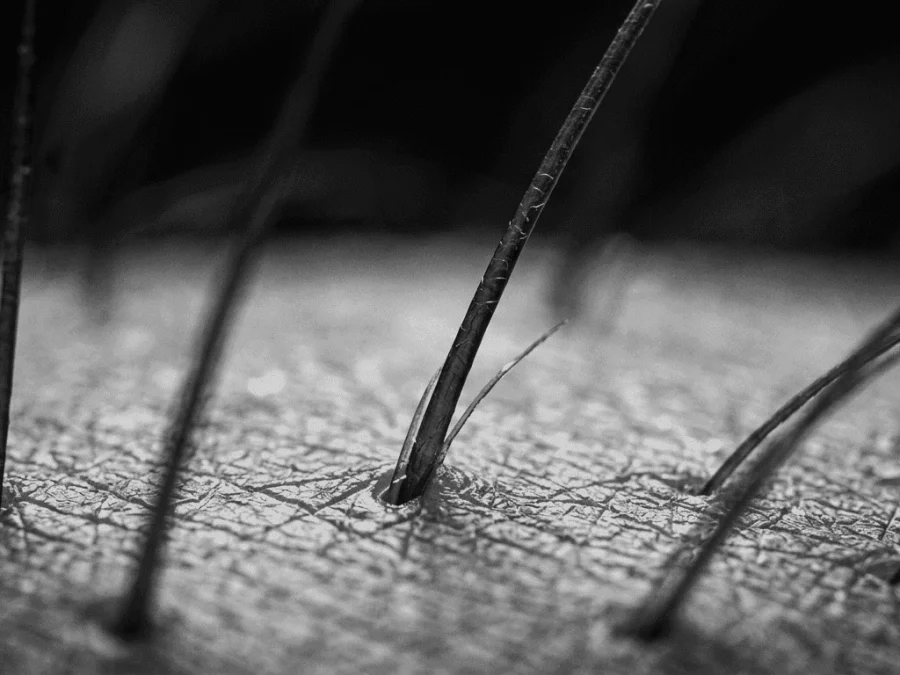
Most permanent dyes work by opening or swelling the cuticle layer of the hair so that colour molecules can penetrate and develop inside the cortex. This often involves the use of substances such as alkalising agents (for example, ammonia or similar compounds) together with oxidising agents.
Structural impact on the hair shaft
By altering the cuticle and the internal structure, hair dyes can:
- reduce the smoothness of the hair surface
- increase dryness and roughness
- make the hair more prone to breakage and split ends
- cause loss of natural shine if the hair is over-processed
These effects are usually more evident when colouring is repeated very often, when strong lightening procedures are used, or when the hair is already fine, porous or previously damaged.
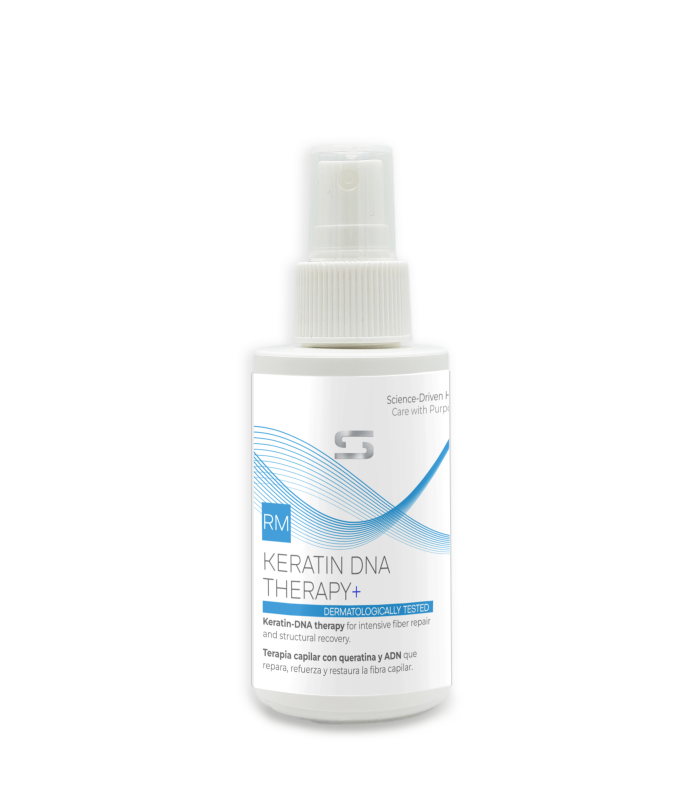
For coloured or chemically processed hair, dedicated care along the lengths and ends can help restore moisture and visible condition. You can explore our range of bio-repair, moisture and fibre restructuring products, developed to support the hair shaft after chemical treatments.
Different types of dyes, different levels of impact
Semi-permanent or temporary colour products tend to interact more superficially with the hair shaft and usually cause less structural change than strong permanent dyes. However, even milder products should be used following instructions, especially in individuals with sensitive scalps or a history of reactions.
Hair dyes and the scalp
While dyes can damage the hair fibre, under normal conditions they do not usually change the basic “nature” of the scalp in terms of oil production or hair type, although they can affect it temporarily through irritation or chemical exposure. An oily scalp will not become “normal” or “dry” simply because hair has been coloured, although the lengths and ends may feel much drier as a result of chemical treatments, and the scalp itself may feel more sensitive during and shortly after the procedure.
Irritation and allergy risk
The main concerns for the scalp are irritation and allergic reactions. Certain dye components can provoke contact allergy in some individuals. A severe allergic reaction on the scalp can cause intense redness, swelling, itching, burning and, in serious cases, blistering. This type of reaction may damage the skin and the hair in the affected area.
Because allergy cannot be identified simply by looking at someone’s hair, a safety step is essential before using a new dye.
The importance of an allergy test before colouring
Before applying a hair dye for the first time, or when changing to a different product, it is advisable to perform an allergy test in line with the manufacturer’s instructions.
How to perform a simple test
A practical way, consistent with many dye recommendations, is:
- apply a small amount of the mixed dye to a discreet area of skin (for example, behind the ear),
- allow it to dry and leave it undisturbed,
- observe the area for around 48 hours.
If during this period clear signs of reaction appear – such as marked redness, swelling, intense itching or blistering – the product should not be used on the scalp. If in doubt, it is advisable to consult a healthcare professional or avoid the dye.
Practical advice before deciding to dye your hair
Hair colouring can be compatible with a healthy-looking head of hair if it is done with care and moderation.
Points to keep in mind
- Understand that permanent dyes can damage the hair structure, especially with repeated use.
- Accept that dyes do not correct issues such as an oily scalp; they can even make the contrast more evident between greasy roots and dry, coloured lengths.
- Always carry out an allergy test before using a new product, and never ignore clear warning signs on the scalp or skin.
- Consider professional advice if your hair is already very fragile or if you have a history of allergies.
If you are unsure about whether it is advisable to dye your hair in your particular situation, an authorised Simone Trichology hair centre can assess the condition of your scalp and hair shaft and guide you on the safest options and care routines before and after colouring. Our free online Hair Clinic provides a personalised assessment of your scalp and hair condition by a trichology specialist, with no cost and no obligation.
Pablo Ramos
Founder and CEO of TRICHOMEDIC LABS, S.L.U. and the lead trichologist behind SIMONE TRICHOLOGY, with more than 37 years of professional experience in hair and scalp health. Trained at the International Academy of Trichology and the Società Italiana di Tricologia.
Meet the trichologist