Welcome to the Simone Trichology FAQ hub. Here you’ll find clear, evidence-based answers to the questions we are most frequently asked in our hair clinic and online consultations.
 
From hair loss, oily scalp and dandruff to washing frequency, styling products and the impact of diet, our trichologists explain what really helps to keep your hair and scalp healthy.
 
If you can’t find the answer you’re looking for, contact our Hair Clinic Online for personalised trichology advice.

Hair loss and alopecia

Hair loss can take many forms — seasonal shedding, androgenetic alopecia, alopecia areata, telogen effluvium and more. Each pattern needs its own assessment. These FAQs explain what really helps, what doesn’t, and when to consult a trichology specialist.

Explore our full range of clinical hair loss and regeneration treatments.

What treatment can I use for my hair loss?

Hair loss doesn’t have a single cause — seasonal shedding, androgenetic alopecia, stress and nutritional factors all behave differently. The right treatment starts with a proper diagnosis at the scalp and follicle level, not with picking a product at random.

Read more

What kind of technique or treatment is there for alopecia areata?

Alopecia areata is a non-scarring, immune-related condition that appears as round or oval patches without hair. There’s no single treatment that works for everyone — options depend on the extent, duration and individual case, and need professional assessment.

Read more

Scalp care and daily habits

The condition of the scalp shapes how the hair looks and behaves. Greasy roots, dryness, sensitivity and product build-up are mostly a question of habits — washing frequency, choice of shampoo, technique and rinsing. These FAQs explain how to manage daily care for oily and reactive scalps.

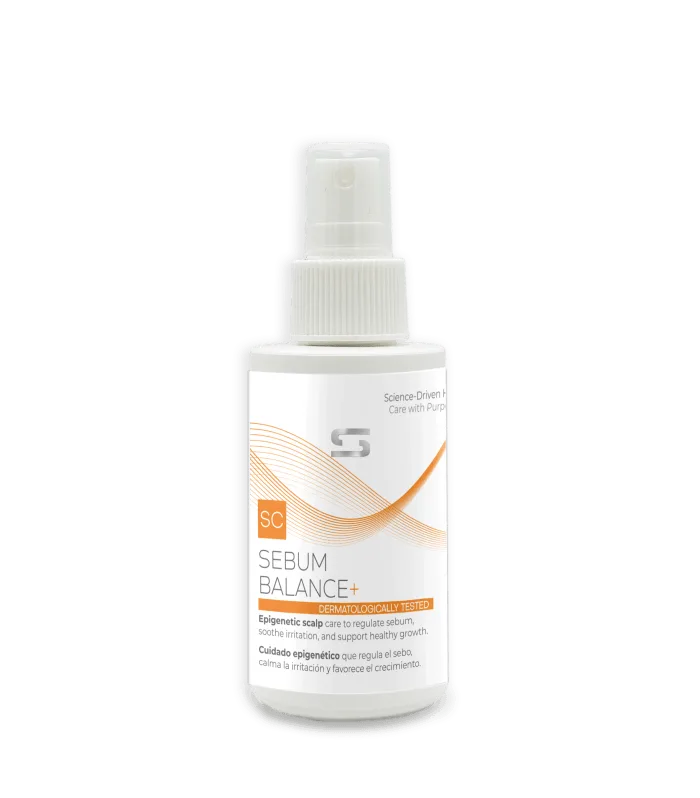
Explore our range of seborrheic control and scalp biobalance products.

Is the use of specific shampoos recommended for greasy hair?

Greasy hair is the result of excess sebum production on the scalp, not a problem of the fibre itself. Specific shampoos for oily scalps — and alternating between a small group of complementary formulas — can help control oil without being aggressive with the skin.

Read More

Is it advisable to wash your hair every day?

Whether daily washing is advisable depends on your scalp type — greasy, normal, dry or sensitive — and your lifestyle, more than on a universal rule. The key is to use suitable products and a gentle technique whenever you wash.

Read More

Dandruff

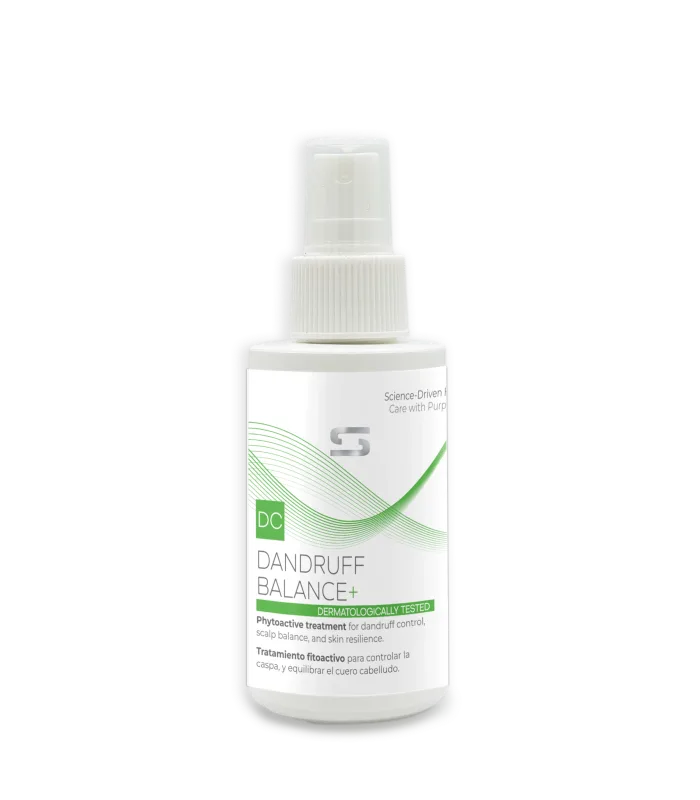
Dandruff is a common scalp condition with two main forms — dry and greasy — both linked to disturbances in the natural balance between sebum, scalp microbiome and skin renewal. Knowing which type you have, and what’s behind it, is the first step to choosing the right care.

Explore our range of clinical dandruff and microbiome care products.

What is dandruff and why does it occur?

Dandruff is a visible, excessive shedding of cells from the outer layer of the scalp. It can be dry (small white flakes) or greasy (larger, more adherent yellowish scales), and is often linked to sebum, scalp microbiome and individual sensitivity. Stress, season and habits can make it worse — but persistent or intense cases need professional assessment.

Read More

Hair fibre and styling

What you do to the fibre after it grows out — colour, heat, fixatives, mechanical handling — has a cumulative effect on how it looks and how long it stays in good condition. These FAQs explain how to keep styling routines compatible with healthy fibre, and when chemical or thermal exposure starts to cause real damage.

Explore our range of bio-repair, moisture and fibre restructuring products.

Do dyes change the nature of hair?

Most permanent dyes are not neutral for the hair fibre — they alter the cuticle and the cortex to deposit colour, and repeated use can lead to dryness, roughness, loss of shine and breakage. They don’t usually change the basic nature of the scalp, but a patch test before each new dye is essential to rule out contact allergy.

Read More

Is the use of the dryer, foam and gel harmful?

Hair dryers, styling foams and gels aren’t automatically harmful — the issue is overuse and poor technique. Very high heat, foam or gel applied directly to the scalp, and incomplete rinsing all contribute to damage and discomfort over time. Moderation, distance and proper cleansing make these tools compatible with healthy hair.

Read More

General hair care

Hair health is not only about products — it’s also about everyday habits, diet, scalp care and knowing what really makes a difference. These FAQs cover common myths and broader questions about how to keep your hair in the best possible condition over time.

For personalised advice on your specific situation, you can request a free assessment from our online Hair Clinic.

Does cutting your hair often make it grow faster and harder?

No — hair grows from the follicle, not from the cut end. Trimming doesn’t change the rate of growth or the natural strength of the fibre, but it does help remove split ends and reduce breakage over time.

Read More

To what extent can food affect or benefit the hair?

A lot. Hair is one of the first markers of imbalance in the body — protein, iron, zinc, B vitamins, vitamin D and essential fatty acids all play a role in normal growth. A balanced diet supports the scalp; restrictive regimes and deficiencies are often reflected in increased shedding.

Read More

How can you have healthier hair?

Healthy hair starts with a healthy scalp. Gentle washing routines adapted to your scalp type, careful handling of heat and chemical treatments, a balanced diet and good sleep and stress habits all support overall hair condition over time.

Read More