


If you’ve noticed more hair than usual on your brush, your pillow, or in the shower during pregnancy, you’re not alone. Most expectant mothers notice changes in their hair — and in most cases, what’s happening is part of the body’s natural response to hormonal shifts. Understanding what’s normal, what isn’t, and when to seek professional guidance is the first step toward staying calm and caring for your hair the right way during these nine months.
Is Hair Loss During Pregnancy Normal?
For most women, pregnancy is not a period of hair loss — quite the opposite. Elevated estrogen levels extend the growth phase of the hair cycle, which means fewer hairs shed than usual. Many women experience thicker, fuller hair during pregnancy precisely because of this hormonal change.
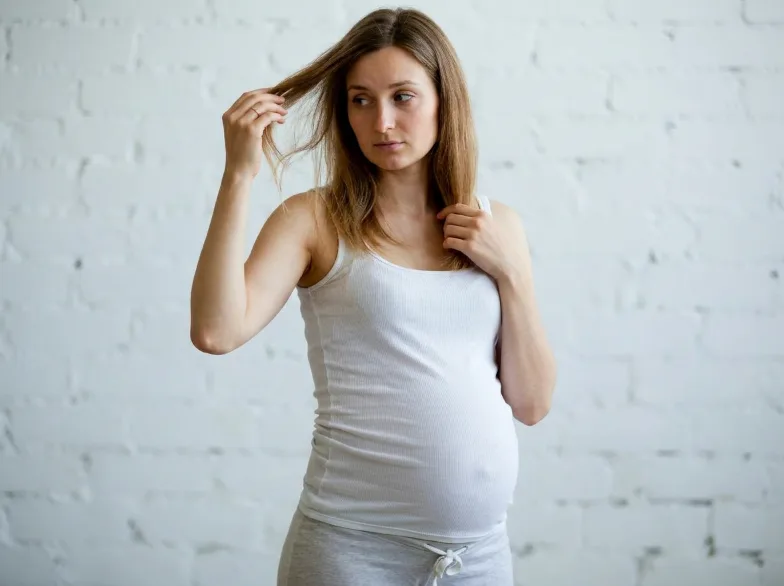
However, not every pregnancy follows the same pattern. Some women do notice increased shedding during pregnancy, and while this is less common, it can happen — usually for reasons that have less to do with pregnancy itself and more to do with nutritional, hormonal, or stress-related factors that pregnancy can amplify.
What’s important to remember is this: most pregnancy-related hair changes are temporary, and the underlying causes are usually identifiable and manageable. A normal hair cycle includes daily shedding of 50 to 100 hairs. If you’re losing significantly more than that, or noticing diffuse thinning or patches, it’s worth understanding why.
Why Hair Loss Can Happen During Pregnancy
While most women experience fuller hair during pregnancy, several factors can disrupt the normal hair cycle and lead to increased shedding. Recognising the cause is essential — because the right response depends entirely on what’s behind the change.
Nutritional Deficiencies
Pregnancy increases the body’s demand for iron, protein, zinc, biotin, and essential vitamins. When supply doesn’t meet demand, hair is often the first place the deficiency shows. Iron deficiency in particular is very common during pregnancy and is one of the most frequent triggers of pregnancy-related hair loss.
A balanced diet, prenatal supplementation as prescribed by your doctor, and regular blood work can help identify and correct deficiencies before they affect hair health.
Thyroid Imbalances
The thyroid gland regulates the metabolism that hair follicles rely on. Pregnancy can trigger or exacerbate thyroid conditions — both hypothyroidism (underactive) and hyperthyroidism (overactive) — and both can cause increased shedding.
If hair loss is accompanied by fatigue, unusual weight changes, sensitivity to temperature, or mood changes, a thyroid evaluation is worth requesting from your obstetrician.
Stress and Sleep Deprivation
Pregnancy is a transformative experience — emotionally, physically, and practically. Significant stress can push hair follicles prematurely into the shedding phase, a condition known as telogen effluvium. This kind of hair loss is usually diffuse rather than patchy and typically appears two to three months after the stressful period.
The good news is that stress-related shedding is almost always reversible once the trigger is addressed.
Sudden Hormonal Changes
While estrogen typically protects the hair cycle during pregnancy, sudden hormonal fluctuations — particularly in early pregnancy or after stopping hormonal contraceptives shortly before conceiving — can temporarily disrupt the cycle.
This is usually a transient effect, but it can be noticeable and concerning in the moment.
Pre-Existing Conditions
Conditions such as androgenetic alopecia, alopecia areata, or scalp disorders that existed before pregnancy can continue or even worsen during these nine months.
If you had a hair concern before becoming pregnant, pregnancy will not pause it — though it may temporarily mask or amplify it.
What to Do (and What to Avoid) During Pregnancy
During pregnancy, hair care should prioritise gentleness and safety. Many treatments used outside of pregnancy are either not recommended or require professional supervision while expecting.
Recommended approaches include maintaining a balanced, nutrient-rich diet, taking prenatal supplements as prescribed, using gentle sulphate-free shampoos, avoiding tight hairstyles that pull on the scalp, and being patient — most pregnancy-related changes resolve naturally.
What to avoid during pregnancy includes minoxidil and finasteride (both contraindicated), aggressive chemical treatments (permanent dyes, relaxers, perms — especially in the first trimester), and any topical treatment that has not been cleared by your obstetrician or a qualified trichologist.
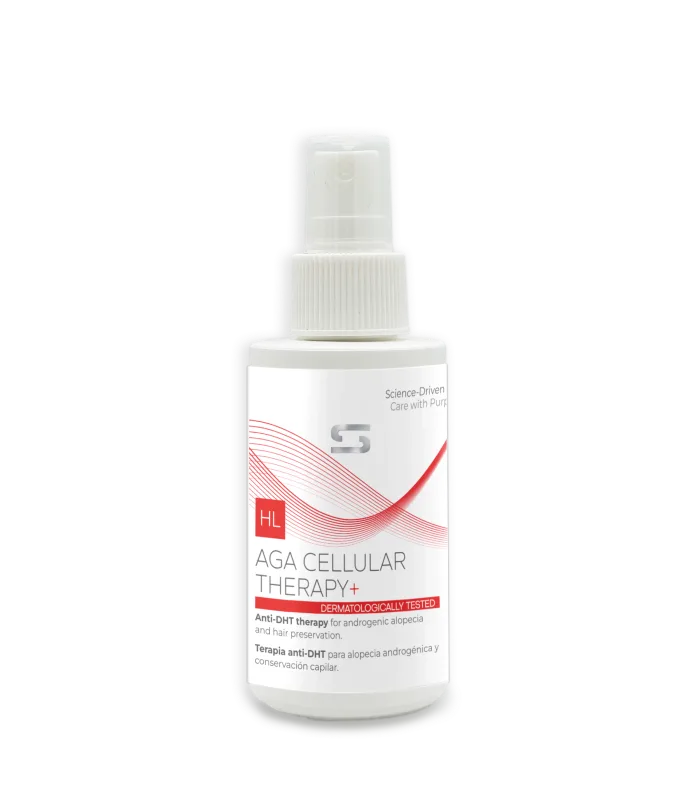
This is also an excellent time to focus on scalp health and hair fibre care, using formulations that support hair quality without interfering with the hormonal balance of pregnancy.
When to Consult a Trichologist
While most pregnancy-related hair changes are normal and temporary, some signs warrant a professional assessment:
Sudden or excessive shedding that doesn’t subside after a few weeks. Patchy hair loss with smooth, round bald spots. Visible scalp redness, scaling, or itching alongside the shedding. Hair thinning that continues to progress despite a balanced diet and good general health. A pre-existing scalp or hair condition that seems to be worsening during pregnancy.
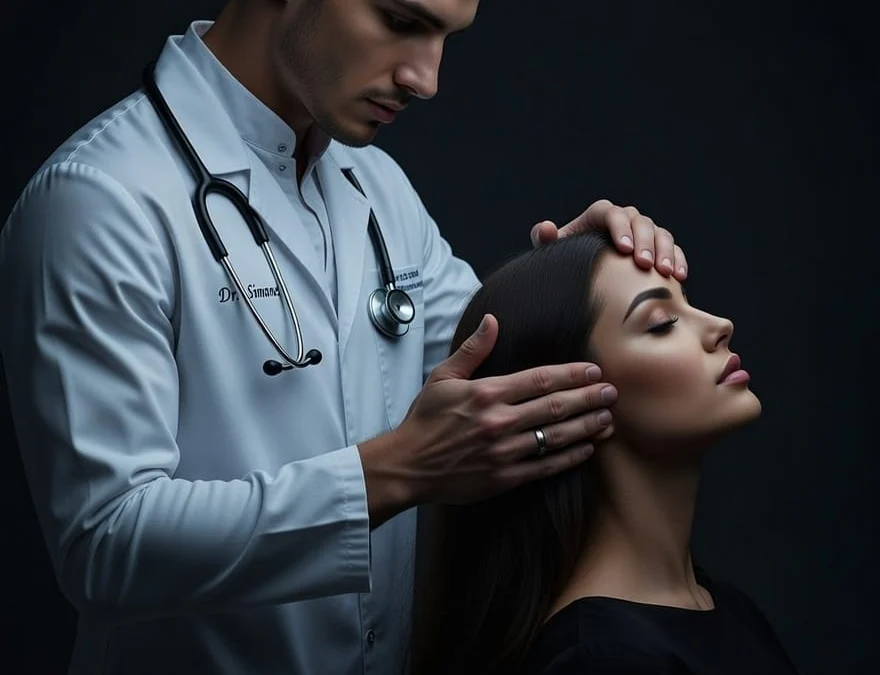
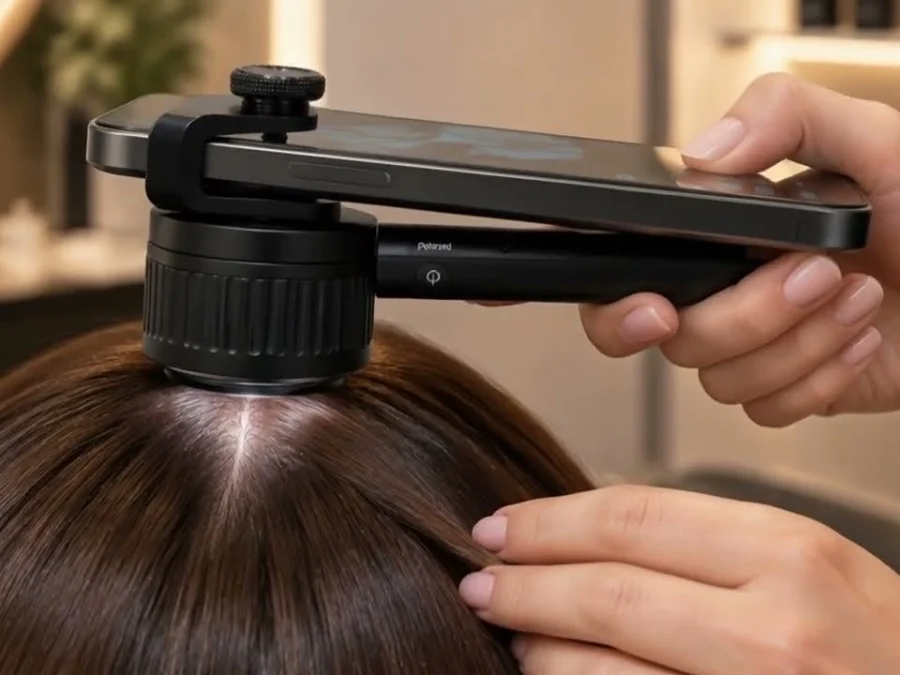
A trichologist can assess the underlying cause through trichoscopy, scalp examination, and a review of your medical history — and recommend a safe, pregnancy-appropriate approach. At SIMONE TRICHOLOGY, our Hair Clinic Online offers a free initial assessment by a qualified trichologist, with the entire process designed to be safe and supportive for expectant mothers.
You Are Not Alone
Hair changes during pregnancy can feel unsettling, especially when so much else about your body is already changing. But pregnancy-related hair loss is rarely a sign that something is seriously wrong — and almost always, it can be understood, addressed, and reversed.
If you have any doubts about what you’re experiencing, the safest first step is a professional evaluation. Our free online Hair Clinic allows a SIMONE TRICHOLOGY trichologist to review your case personally and let you know what kind of professional support — medical, nutritional, or trichological — best fits your situation, with no cost and no commitment.
Pregnancy is just one of the hormonal causes behind hair changes in women. Explore them all in our guide to female hair loss.
Free Hair Clinic Online

This article is part of our guide to hair loss and alopecia. You may also find this useful: postpartum hair loss.