





Healthy hair starts with a healthy scalp
There are always practical measures you can take to support healthier hair. Genetics, hormones and certain medical conditions have a strong influence, but your daily habits also play an important role. Hair grows from the scalp, so looking after this area is essential.
Understanding your scalp
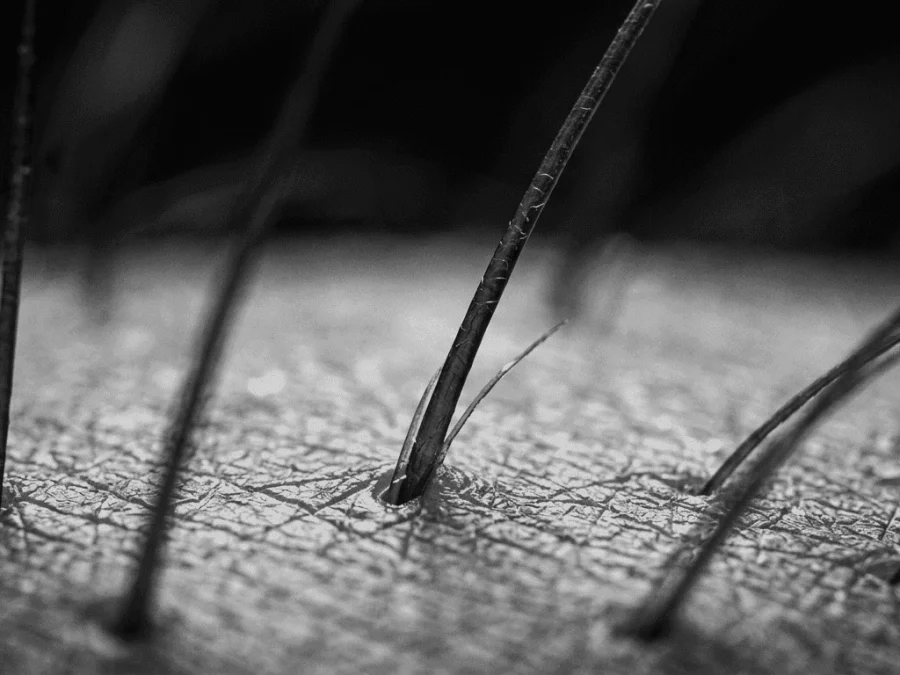
The scalp is living tissue with its own circulation, oil (sebum) production and microbiome. When it is balanced, it offers a better environment for normal hair growth.
Keeping the scalp clean without excessively stripping it helps remove excess oil, styling product residues and pollution.
Persistent itching, flaking, burning or redness may indicate an underlying condition and should be assessed rather than ignored.
Aggressive scratching with fingernails or hard brushes can damage the scalp surface and hair follicles.
When scalp symptoms need attention
If you notice marked changes in your scalp – for example continuous discomfort, thick scaling, or patches without hair – it is safer to seek advice from a trichologist or doctor instead of self-diagnosing.
Building a gentle washing and care routine
How you wash and handle your hair has a cumulative effect over time.
Rinsing and cleansing frequency
Rinse thoroughly after each shampoo. Incomplete rinsing leaves detergent residues on the hair and scalp, which can cause dullness, a rough feel and potential irritation. Use lukewarm water and rinse until the water runs clear and the hair feels free of product.
The ideal washing frequency depends on your scalp and lifestyle. Some people need to wash more often because of oil production, exercise or environmental exposure, while others are comfortable with less frequent washing. For more detail on how often to wash and how it depends on scalp type, see our guide on how often you should wash your hair.
Choosing the right products
Select products adapted to your scalp type:
For oily scalps, shampoos designed to help control excess sebum without being excessively harsh are usually more appropriate.
For dry or sensitive scalps, mild and soothing formulas that respect the scalp barrier tend to be better tolerated.
Conditioners and masks should be applied mainly to the mid-lengths and ends, not directly on the scalp, to avoid unnecessary build-up.
Styling, heat and chemical treatments
Hair is more fragile when wet, so it should be handled carefully. Gently squeeze out excess water with a towel rather than rubbing, and detangle with a wide-tooth comb or your fingers, starting at the ends.
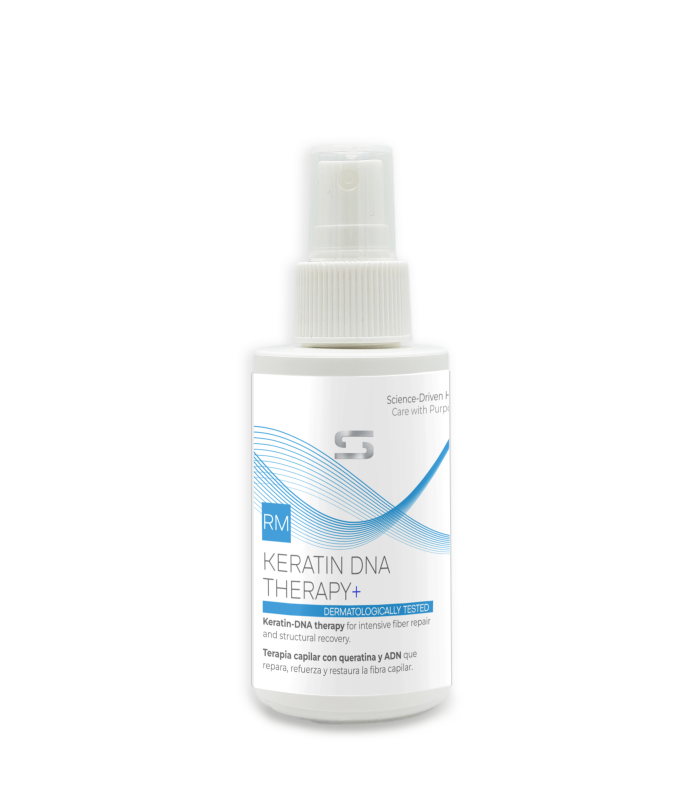
Excessive use of very hot dryers, straighteners or curling tools can weaken the hair fibre over time. If you use heat, apply a heat-protective product and choose moderate temperatures. Chemical procedures such as colouring, perms or straightening can be compatible with healthy hair if they are performed correctly and not repeated too often, but strong or frequent processes may lead to dryness, loss of shine and breakage. For more detail on safe use of dryers, foam and styling products, see our guide on whether hair dryers, foam and gel are harmful. For hair that already shows signs of dryness, breakage or roughness, dedicated care along the fibre can help — see our bio-repair and fibre restructuring products.
Nutrition, hydration and lifestyle
Your hair is not a vital organ, so the body will always prioritise essential tissues when nutrients are limited. A balanced lifestyle supports normal hair and scalp function.
Diet and key nutrients
A varied diet that includes adequate protein, iron, zinc, vitamins (particularly from the B-group and vitamin D) and essential fatty acids contributes to normal hair growth. Very restrictive or repeated crash diets can be associated with increased shedding. For more detail on which nutrients matter most and how diet relates to hair health, see our guide on how food affects hair.
Hydration and daily habits
Many adults benefit from around 1.5–2 litres of fluids per day, unless a healthcare professional has advised otherwise. Proper hydration supports general health, including the condition of skin and scalp.
Stress, sleep and smoking
Intense or prolonged stress can be linked to certain types of hair shedding. Regular physical activity, good sleep habits and relaxation techniques may help reduce its impact. Smoking is associated with poorer circulation and can negatively affect the appearance of skin and hair over time.
When to seek professional advice
General care measures can support healthier hair, but they do not replace a professional assessment when there is a specific concern.
Warning signs not to ignore
It is advisable to consult a trichologist or doctor if you notice:
- sudden or patchy hair loss
- a clear reduction in density over a relatively short period
- persistent itching, burning, pain or marked scaling of the scalp
- changes in hair quality together with other health symptoms
Professional trichology support
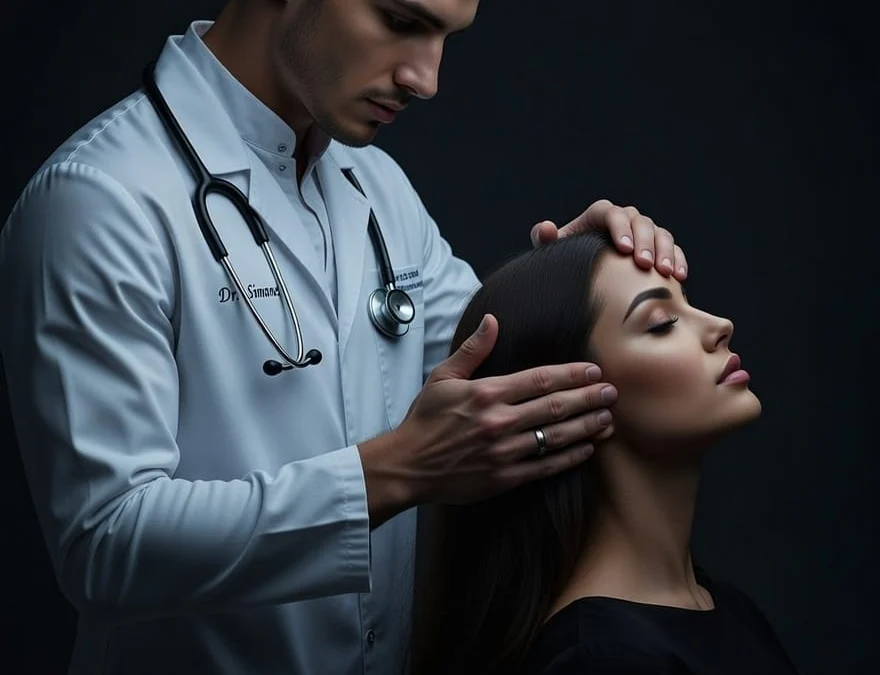
A trichology specialist can examine your scalp and hair, review your history and, when necessary, recommend targeted treatments or further medical evaluation. If you would like more individual guidance on caring for your hair and scalp, our free online Hair Clinic provides a personalised assessment by a trichology specialist, with no cost and no obligation.