





Why greasy hair often needs specific shampoos
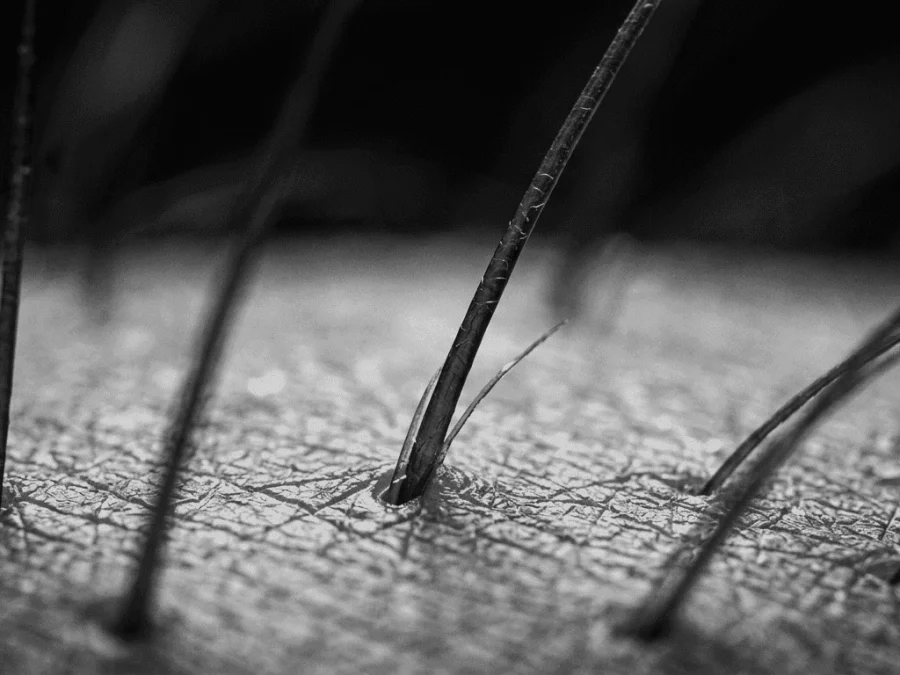
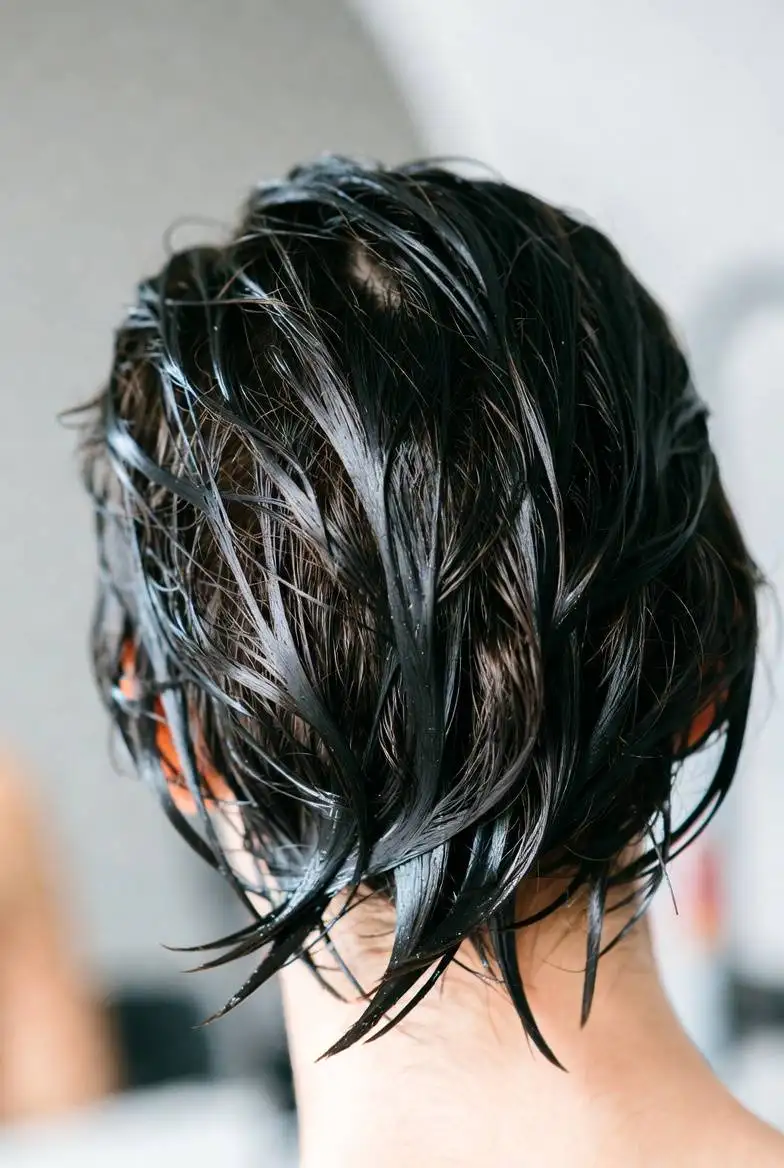
Greasy hair is usually the result of an overproduction of sebum on the scalp, not a problem of the hair fibre itself. Sebum is necessary in small amounts because it helps protect the skin and hair, but when it is produced in excess it can make the hair look heavy, lack volume and feel dirty soon after washing.
In many people, using a generic shampoo designed for “normal” hair does not provide enough control of this excess oil. In other cases, very harsh cleansers may remove too much sebum at once, which can leave the scalp feeling uncomfortable and, in some situations, may contribute to a rebound sensation of oiliness.
How specific shampoos support oily scalps
Specific shampoos for greasy or oily hair are formulated to help:
- remove excess sebum and product build-up more effectively
- cleanse the scalp surface without being as aggressive as some deep-cleansing products
- leave the hair feeling lighter and cleaner for longer
These formulations often include surfactants and supporting ingredients chosen to respect the scalp’s barrier while improving cleanliness. They are not a medical treatment for every cause of oiliness, but they can be an important part of a management routine.
Using more than one shampoo in rotation
It is common for people with greasy hair to benefit from the use of more than one specific shampoo rather than relying on a single product all the time.
Why rotation can be helpful
In everyday practice, the scalp may appear to “adapt” to continuous use of one shampoo: at first the hair feels very clean and light, but over time the sensation of freshness may last for a shorter period. Alternating compatible shampoos avoids constant exposure to exactly the same formula and may offer a more balanced result for some scalps.
The idea is not to change products randomly, but to rotate between a small, well-chosen group:
- one or two shampoos specifically formulated for greasy or oily scalps
- possibly a milder, more soothing option if the scalp is sensitive or becomes easily irritated
Example of an alternating routine
As an example of rotation (not a prescription), a person with a clearly greasy scalp might:
- wash the hair each time using a specific shampoo for greasy hair,
- then, at the next wash, use a complementary shampoo that also targets oiliness but with a slightly different profile (for example, more focused on comfort or on residual build-up),
- continue alternating in this way.
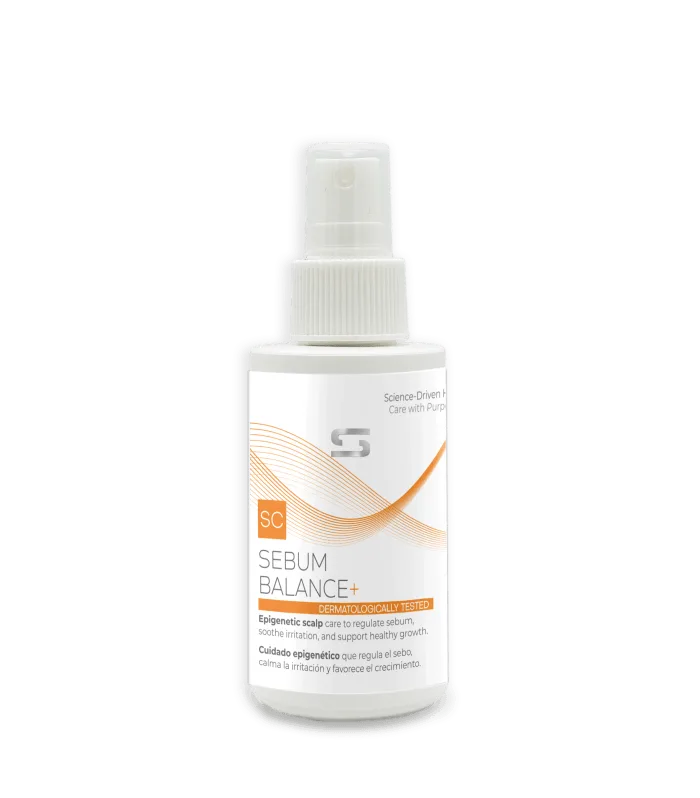
The key is consistency and careful observation of how the scalp responds. If irritation, excessive dryness or other symptoms appear, the routine should be reviewed and, if necessary, assessed by a professional. You can explore our range of seborrheic control and scalp biobalance products developed for oily scalps and rotation routines.
Hygiene habits that support greasy hair care
Using the right shampoos is important, but hygiene habits also make a clear difference when managing greasy hair.
Washing frequency and technique
Greasy scalps often need more frequent washing than drier types. For many people, washing whenever the hair feels greasy again is reasonable, provided that suitable products are used.
Good practice includes:
- distributing shampoo mainly over the scalp, not just along the hair lengths
- massaging with the fingertips, avoiding scratching with the nails
- rinsing very thoroughly until the water runs completely clear
Insufficient rinsing can leave residues that weigh the hair down and can contribute to a sensation of oiliness returning more quickly.
Styling products and build-up
Heavy styling products, waxes and some leave-ins can accumulate on the scalp and hair, making greasy hair appear even oilier. Using lighter formulations and avoiding direct application onto the scalp can help maintain a cleaner feel between washes.
When to seek professional assessment
While specific shampoos and careful hygiene habits can help manage greasy hair in many situations, persistent or very severe oiliness may be linked to underlying scalp conditions.
Signs that need expert advice
It is advisable to consult a trichologist or dermatologist if:
- the scalp is very greasy despite appropriate shampoos and regular washing
- there is marked itching, burning, redness or flaking
- greasy areas appear together with other visible changes in the scalp
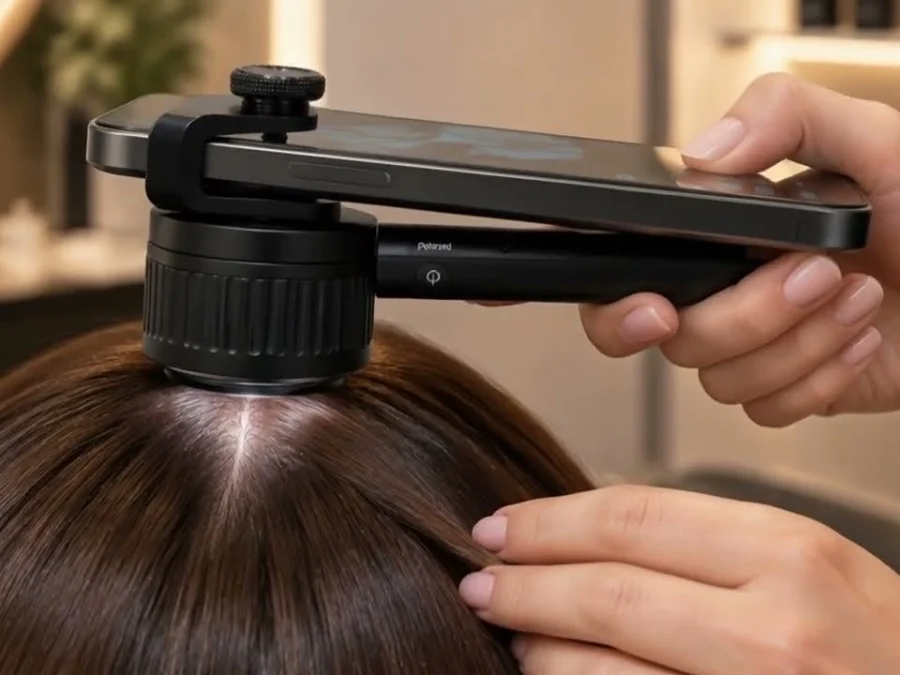
A specialist can examine the scalp, review your history and, when required, propose a more targeted approach. General information can guide daily care, but individual assessment is important when symptoms are intense or long-lasting. Our free online Hair Clinic provides a personalised review of your case by a trichology specialist, with no cost and no obligation.
This article is part of our guide to seborrhea and oily scalp. You may also find these useful: washing your hair every day and why the scalp produces excess oil.