




Hair loss is one of the most common concerns people bring to a trichologist, and also one of the most misunderstood. Many people assume that all hair loss is the same — usually genetic, usually permanent. The reality is more nuanced: there are several different types of hair loss, with very different causes, very different timelines and very different outcomes. Some are temporary and reverse on their own; others are progressive and benefit from early action. Understanding which kind you are dealing with is the first step. In this guide we explain what hair loss is, the main types, the most common causes, and where to look for more specific information.
What is normal hair shedding?
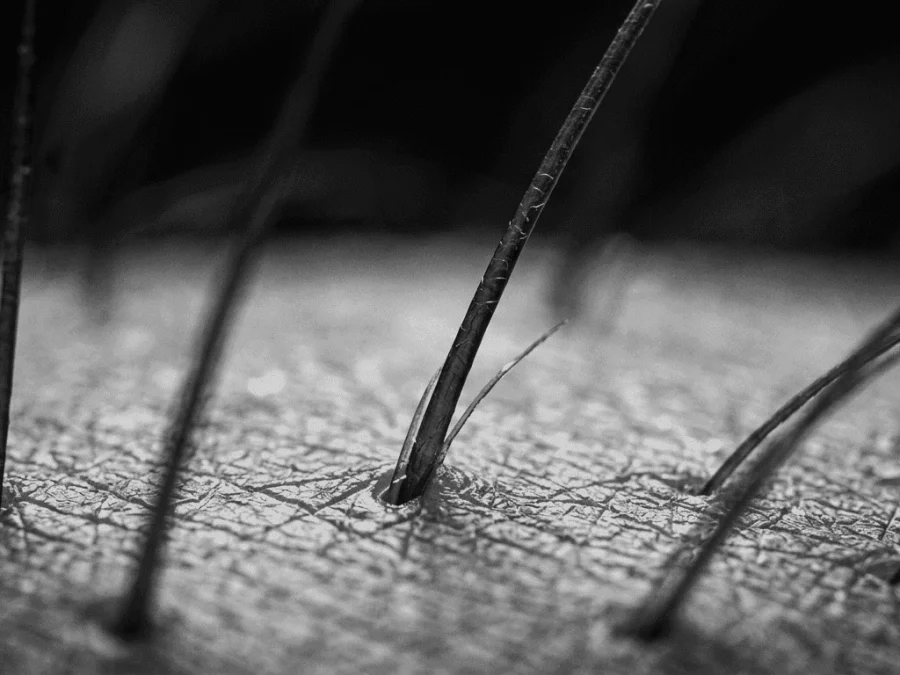
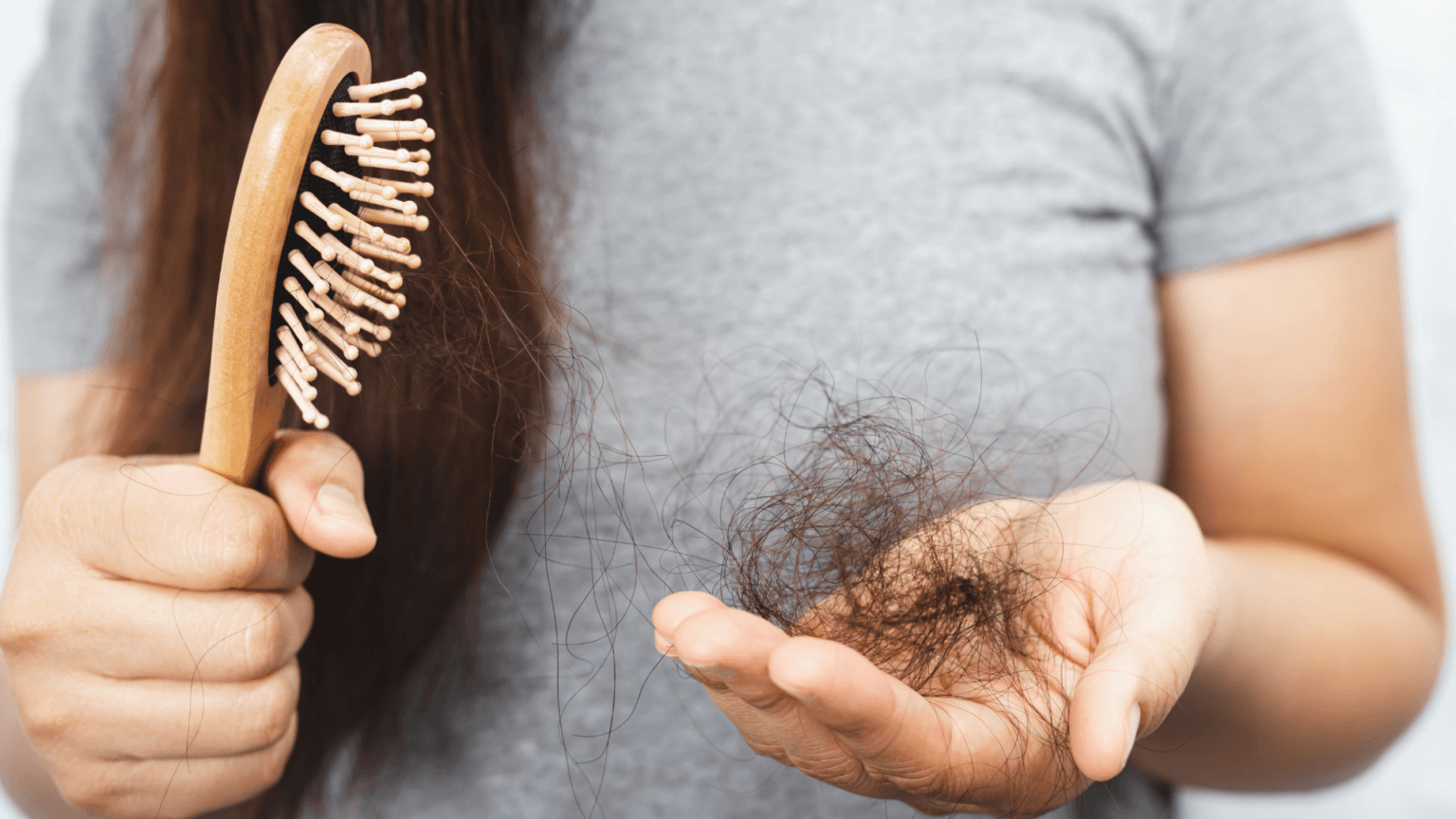
Before talking about hair loss, it helps to know what is normal. Each hair on your scalp goes through a cycle of growth, transition and shedding. At any given moment, around 80-85% of your hair is actively growing, while about 12-15% is in the shedding phase. Losing 50 to 100 hairs a day is completely normal — it is simply old hairs making way for new ones. What people often perceive as “losing hair” is actually a temporary increase in this normal rhythm. The question is whether it is a passing phase, a seasonal cycle, or something more progressive.
Common types of hair loss
Hair loss is not a single condition. The main patterns trichologists see are:
Androgenetic hair thinning (male and female pattern)
The most common pattern, influenced by hereditary sensitivity of the follicle to androgens. In men, hair typically recedes from the temples and thins at the crown. In women, the parting widens and density decreases across the top of the scalp. It is gradual, progressive and responds best when addressed early. For a deeper look at this pattern and a trichological dermocosmetic protocol designed for it, see our guide to PROALOPEX+ for androgenetic hair loss and post-transplant care.
Postpartum shedding
Many women experience visible shedding three to four months after giving birth. It is a physiological response to the hormonal changes of pregnancy and postpartum, not a disease. It typically resolves on its own, though the recovery period can be supported cosmetically. Our guide to postpartum hair loss explains it in detail.
Seasonal shedding
A temporary increase in shedding that occurs at predictable times of the year, typically spring and autumn. It is diffuse (spread evenly), self-limiting (settles in a few weeks) and followed by normal regrowth. It is not a disease and not a sign of permanent loss. Read more in our guide to seasonal hair loss and when to worry.
Stress-related shedding
Significant physical or emotional stress can trigger a temporary increase in shedding, usually visible weeks or months after the event. Like seasonal and postpartum shedding, it tends to resolve on its own once the trigger settles, and can be supported during the recovery phase. For a deeper look at this pattern, see PROSCIENCE+ for stress and postpartum shedding.
Traction alopecia
Caused by mechanical tension on the hair: tight ponytails, braids, buns, extensions or specific hairstyles that pull the hair repeatedly over time. Most often visible at the hairline and temples. Acting early matters — read our guide to traction alopecia and how to recover the hairline.
Hair loss in children
Less common but not rare. Children can experience shedding for several different reasons, some temporary and some that need professional assessment. Our guide to hair loss in children covers the main causes.
Beyond these patterns, there are other forms of hair loss that fall outside cosmetic care — including autoimmune conditions, fungal infections, certain medications and other medical causes. These require a diagnosis and treatment from a healthcare professional.
For the full trichology classification of hair loss and alopecia — including alopecia areata, diffuse and scarring forms — see our beginner’s guide to the types of hair loss and alopecia.
Common causes and contributing factors
Hair loss is rarely the result of a single cause. The most common contributing factors include:
- Genetics — family history is the strongest predictor of androgenetic hair thinning.
- Hormonal changes — pregnancy, postpartum, menopause and thyroid imbalances can all affect the hair cycle.
- Stress — significant physical or emotional events can trigger a temporary increase in shedding.
- Nutritional gaps — particularly iron, zinc, protein and B-vitamin deficiencies.
- Mechanical factors — tight hairstyles, harsh treatments and excessive heat styling.
- Scalp environment — chronic seborrhoeic imbalance, sensitivity or congestion can affect how the hair grows.
- Medications and medical conditions — several medications and underlying conditions can affect hair growth; these always require a medical assessment.
When to seek professional advice
Most diffuse, gradual shedding episodes respond well to a steady dermocosmetic routine and patience. But certain signs deserve a closer look:
- A widening parting or progressive density loss in a defined area.
- Sudden or patchy hair loss that does not look diffuse.
- Shedding that does not settle over several months.
- No visible regrowth following a shedding phase.
- Any persistent scalp discomfort, redness, pain or swelling.
If any of these describe your situation, the right step is to consult a dermatologist, trichologist or your healthcare professional, who can identify the underlying cause and propose the appropriate treatment.
A trichology-led approach
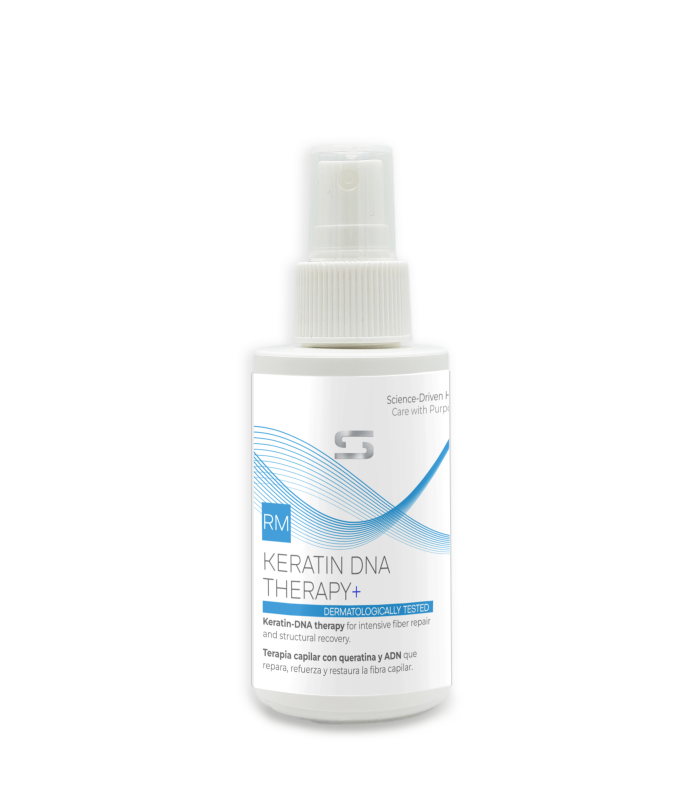
At SIMONE TRICHOLOGY we focus on the cosmetic side: supporting scalp comfort, the appearance of density and the visible resilience of the hair fibre, as part of a wider professional protocol. Our Clinical Balding & Hair Regeneration range is designed for hair that looks thinner, weaker or prone to shedding, and is best chosen with a clear understanding of which pattern you are dealing with.
Not sure which pattern matches your case?
Identifying the type of hair loss you are dealing with is the most important step before choosing any routine. Our free online Hair Clinic lets you share a few details about your hair and scalp, and a trichology specialist will review your case personally and send you a personalised assessment with recommendations by email — at no cost and with no obligation to buy.
Get your free hair assessment →SIMONE TRICHOLOGY products are cosmetic products and are not intended to diagnose, treat, cure or prevent any medical condition. If you are concerned about hair loss, please consult a qualified healthcare professional.