


Hair Loss in Children: What’s Normal, What’s Not, and What to Do
If you have noticed your child losing more hair than usual, you are not alone — and in most cases, it is something that can be understood and resolved. The first step is knowing what is part of a normal hair cycle, what is not, and when it is worth seeking a professional opinion.
Is it normal for children to lose hair?
Like adults, children naturally shed some hair every day. This is part of the normal hair growth cycle: each follicle goes through phases of growth, transition and shedding, after which a new hair takes its place. A small amount of daily shedding is part of how hair renews itself, at any age.
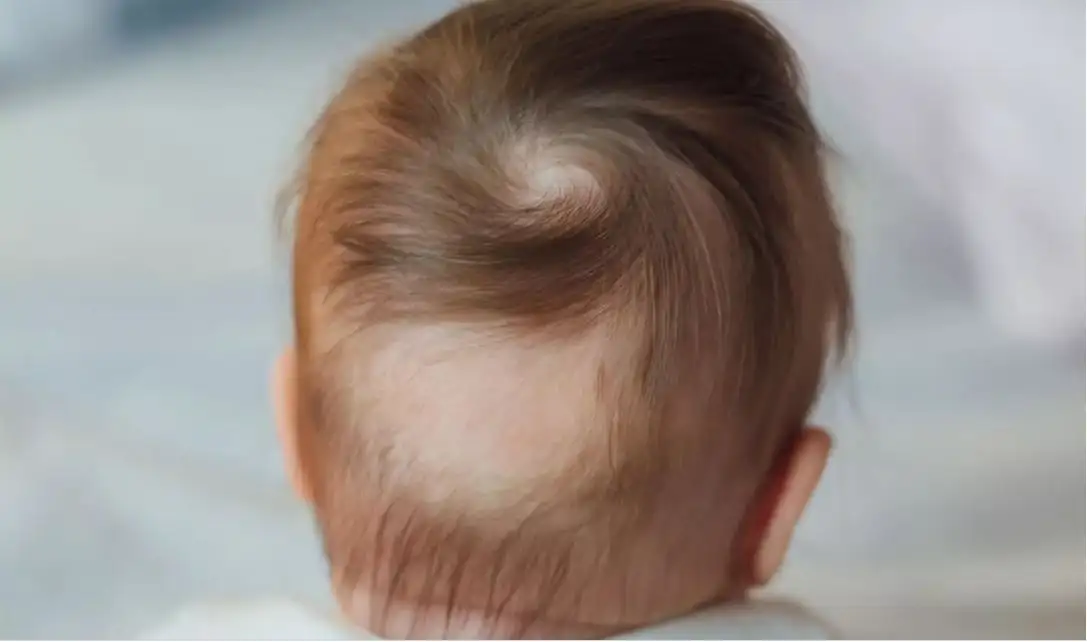
What is not typical, however, is abundant or sudden hair loss, patchy bald spots, or any pattern of shedding that goes on for weeks without explanation. These deserve attention — not because they always indicate something serious (often the cause is straightforward and reversible), but because identifying what is behind them is the only way to address it properly.
A couple of common worries worth setting aside: hair colour does not affect how much a child sheds, and having naturally fine or thin hair does not mean a child is more prone to hair loss. These are myths.
Common causes of hair loss in children
There are several reasons a child may lose hair beyond what is typical. The most frequent include:
- Hormonal and endocrine factors. Imbalances in the production of growth hormone, or in thyroid function, can affect the hair cycle and lead to shedding. This is something a paediatrician or a trichologist can assess.
- Nutritional deficiencies. Childhood is a stage of rapid growth, and the hair growth cycle relies on a steady supply of nutrients — particularly protein, iron, zinc and key vitamins. An imbalanced diet can show up in the hair before it shows up elsewhere. The good news is that once the deficiency is corrected, hair generally returns to its normal pattern.
- Alopecia areata. This is an autoimmune condition in which the body’s own immune system targets the hair follicles, producing round, smooth bald patches — usually without redness or scaling. It can appear at any age, including in children, and the pattern is quite distinctive. The patches sometimes resolve on their own and sometimes recur. Because the cause is immune-driven rather than external, alopecia areata is something a dermatologist or trichologist should assess: there are approaches to support the situation, and identifying it early helps.
- Tinea capitis (scalp ringworm). This is a fungal infection of the scalp, particularly common in children. It typically shows up as patches with scaling, broken hairs, and sometimes redness or itching, and unlike most other causes on this list it is contagious — meaning it can spread to siblings or schoolmates. Tinea capitis does not resolve with shampoo alone; it requires antifungal treatment prescribed by a doctor. If scaling or pustules accompany the hair loss, this is one of the first things a professional will check for.
- Illness, infection or physical trauma. Many childhood illnesses — including high fever, infections such as chickenpox, or significant physical trauma or burns — can disrupt the hair cycle temporarily. In most cases the shedding appears weeks after the event and resolves as the child recovers.
- Medication side effects. Some medications used to treat childhood conditions can cause temporary hair loss, including corticosteroids, retinoids, cyclosporine and certain other treatments. The hair loss is a side effect of the medication, not of the underlying illness. A doctor can assess whether the medication can be adjusted.
- Traction alopecia. This is hair loss caused by physical tension on the hair — typically from hairstyles that pull tightly at the roots over time, such as very tight ponytails, braids or extensions. It tends to show up where the tension is greatest: along the hairline, the temples or specific patches. Caught early, it is fully reversible by simply changing the hairstyle and giving the follicles time to recover. Sustained tension over years, however, can lead to permanent loss — which is why it is worth recognising and addressing.
- Psychological causes. Anxiety, stress and certain conditions — most notably trichotillomania (the repeated, sometimes unconscious, pulling of one’s own hair) — are among the most common causes of hair loss in children. These require gentle handling and, often, the support of a psychologist alongside any trichological assessment.
Signs that warrant a professional opinion
If you are unsure whether what you are seeing is normal or not, these are the signs that suggest a proper assessment is worthwhile:
- Patchy bald areas, particularly with smooth, round edges.
- Sudden or severe shedding that does not let up after a few weeks.
- Scaling, redness or itching of the scalp accompanying the hair loss.
- Visible breakage or hair pulled out in specific spots.
- Behaviour that suggests pulling, twisting or rubbing of the hair.
Most causes of hair loss in children are reversible: once the underlying cause is identified and addressed, hair grows back. Early assessment matters less because the situation is urgent, and more because the sooner the cause is understood, the sooner the cycle can return to normal.
A note for parents
One thing worth keeping in mind: a worried parent is part of a child’s environment. Visible distress around hair loss can, in some cases — particularly with trichotillomania or anxiety-driven shedding — make the situation harder for the child. Speaking with them calmly, and seeking professional input rather than trying things at home, helps everyone.
When in doubt, get it assessed
Hair loss in children is rarely something that can be solved with a shampoo or a home remedy. The first step is understanding what is causing it. Our free online Hair Clinic lets a trichology specialist review the case personally and tell you what kind of professional support — medical, nutritional, psychological or trichological — fits the situation, with no cost and no obligation.
