



Sensitive Scalp: Causes and How to Care for It
A sensitive scalp can make everyday life uncomfortable: tightness, tingling, itching or a scalp that simply reacts to everything. It is more common than people think, and it is rarely about doing something “wrong”. In this guide we explain what a sensitive scalp is, the most common causes, how to care for it gently, and when it is worth seeking professional guidance — all from a trichology perspective.
What is a sensitive scalp?
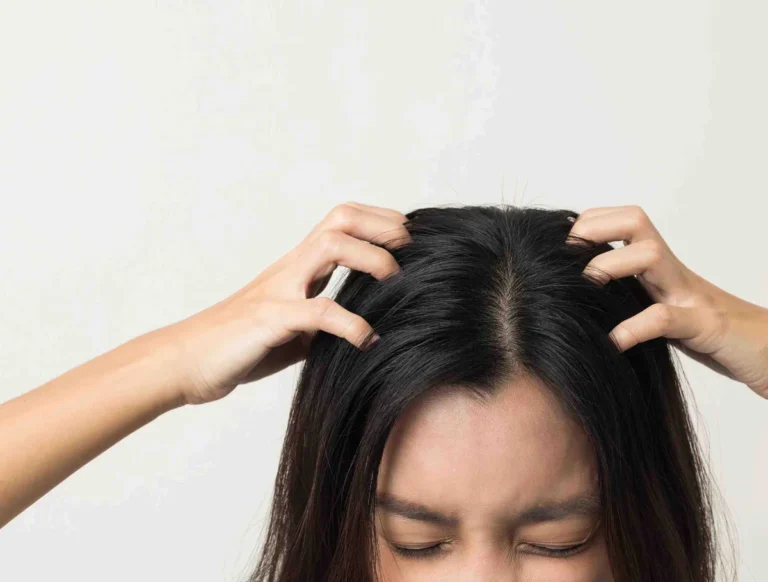
A sensitive scalp is one that reacts more easily than usual to external or internal triggers. People describe it in different ways: a feeling of tightness, tingling, itching, warmth, or a scalp that becomes uncomfortable after washing or styling. In most cases this is linked to the scalp’s protective barrier being more reactive or temporarily weakened, which makes it less tolerant to things it would normally handle without trouble.
Common causes of scalp sensitivity
Scalp sensitivity is usually the result of several factors acting together rather than a single cause. The most frequent include:
- Environmental factors — sun, cold, wind and pollution can all stress the scalp.
- Stress, which can heighten how reactive the skin and scalp feel.
- An unbalanced diet, which may play a contributing role for some people.
- Harsh or unsuitable products, especially aggressive cleansers that strip the scalp’s natural oils and leave it dry and reactive.
- Over-washing or very hot water, which can disrupt the scalp’s natural balance.
That fourth point matters: when a cleanser is too aggressive, it removes the natural oils that help keep the scalp hydrated and protected. Without them, the scalp can feel drier and more easily irritated — sometimes making the problem worse rather than better.
How to care for a sensitive scalp
The guiding principle for a sensitive scalp is gentleness. A few habits help most people:
- Choose gentle, barrier-friendly products and avoid harsh “deep clean” formulas.
- Wash with lukewarm water rather than very hot.
- Be gentle when massaging — use your fingertips, not your nails.
- Protect the scalp from extreme sun and cold.
- Give any new routine time and consistency before judging results.
A trichology-led approach
Because a sensitive scalp is often about comfort and balance rather than just cleansing, our treatments are organised by concern. For reactive, stressed or congested scalps, our Scalp Oxygenation & Neuro-Balance range is designed to support scalp vitality, microcirculation and comfort. The aim is not to “strip” the scalp but to help restore a calmer, more balanced and comfortable feel over time.
When to seek professional advice
Most sensitive scalps respond well to a gentler routine. But if you experience persistent redness, intense itching, pain, swelling or any reaction that does not settle, that is a sign to consult a qualified healthcare professional, as it may need medical attention rather than cosmetic care. Listening to your scalp is the first step toward looking after it properly.
Not sure what is triggering your sensitive scalp?
If you are not sure what is behind your scalp sensitivity, our free online Hair Clinic is a good place to start. You share a few details about your hair and scalp, and a trichology specialist will review your case personally and send you a personalised assessment with recommendations by email — at no cost and with no obligation to buy.
Get your free hair assessment →SIMONE TRICHOLOGY products are cosmetic products and are not intended to diagnose, treat, cure or prevent any medical condition. If you experience persistent or severe scalp symptoms, please consult a qualified healthcare professional.
