




What is the difference between a dermatoscope and a trichoscope?
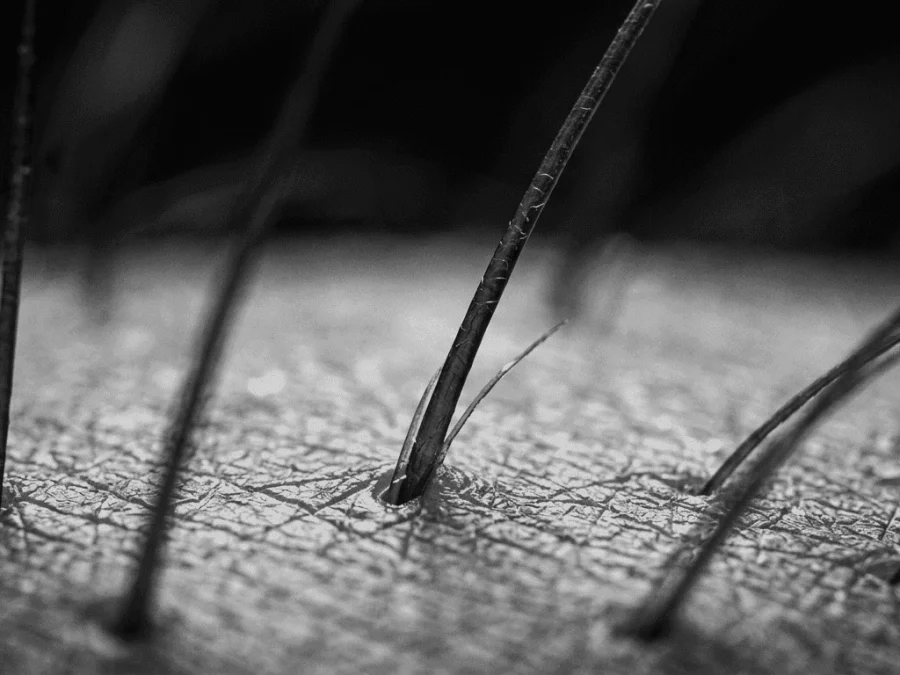
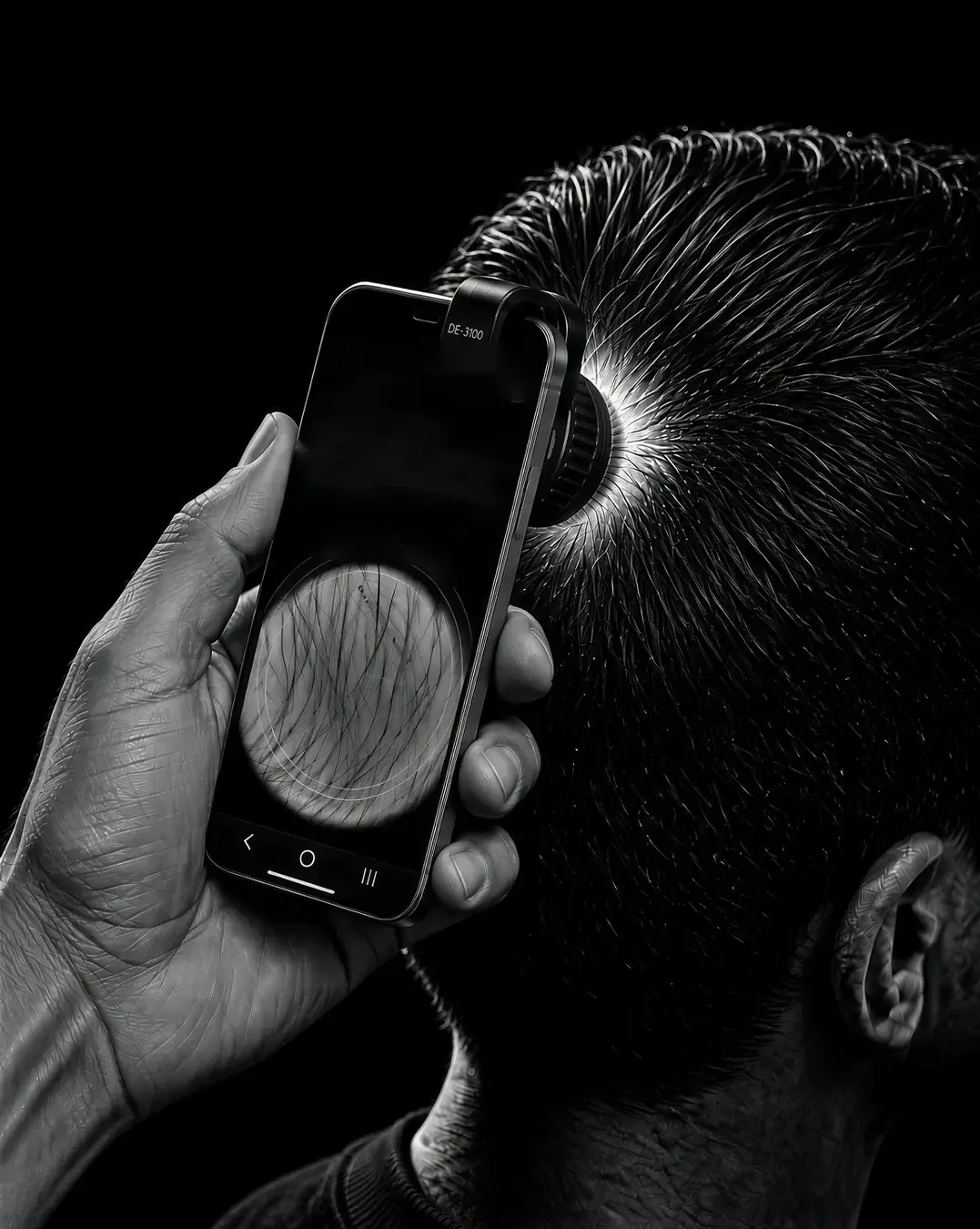
In practice, none. A trichoscope is a dermatoscope used on the hair and scalp, and the technique is called trichoscopy. What matters for hair work is 10x magnification, polarised and non-polarised light, and a way to photograph each observation — usually a smartphone adapter.
Which dermatoscope is best for hair and scalp trichoscopy?
One with 10x magnification, both polarised and non-polarised light, and a smartphone adapter. Polarised light shows the hair shafts and the follicular openings; non-polarised light shows flaking and sebum on the surface. If you see clients every day, choose a model with a rechargeable battery and a charging stand.
Can I use a dermatoscope if I am not a doctor?
Yes, as a tool to observe and document the hair and scalp: trichologists, hair clinics and salons use it that way. What it is not for, in a cosmetic setting, is diagnosing a disease. When the images suggest a medical condition, refer your client to a dermatologist.
Do I need SIMONE PRO to use a dermatoscope?
No. A dermatoscope with a smartphone adapter already lets you take photographs with the phone's camera. SIMONE PRO adds what a professional practice needs: calibrated capture, hair metrics calculated on the device, a co-branded report for the client and follow-ups that compare each visit with the previous one.
Are these medical devices?
The dermatoscopes we sell are CE-marked by their manufacturer as medical devices under Regulation (EU) 2017/745. SIMONE PRO is professional software that gives a cosmetic, appearance-based assessment of the hair and scalp; it does not diagnose or treat any disease and does not replace a doctor's opinion.