


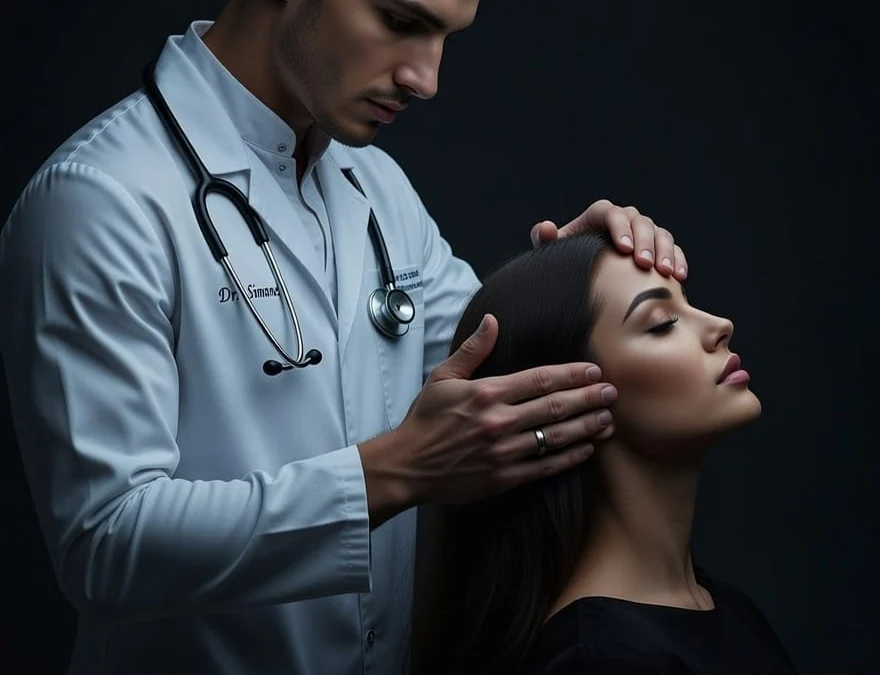
In short: “oxygen hair treatment” covers in-clinic procedures that apply oxygen, ozone or an oxygen infusion with active ingredients to the scalp, as well as “oxygenating” shampoos, which are cosmetics. It may leave your scalp cleaner and more comfortable, but the evidence on hair loss is limited. Protocols vary from one center to the next and are usually offered as a series of sessions, so always ask for an assessment first.
If you’ve seen an oxygen hair treatment, scalp oxygen therapy or an “oxygen facial for scalp” advertised as the answer to shedding, oily roots or “suffocated” follicles, it’s natural to wonder what’s actually behind the name. In this guide we walk you through what a session involves, what you can realistically expect, what precautions to take and what to check before you try one.
What is an oxygen hair treatment?
Oxygen hair treatment isn’t a single technique. It’s a marketing term that groups together different procedures and products with one shared idea: delivering oxygen to the scalp to improve its condition and, by extension, the hair. You’ll come across it in two forms:
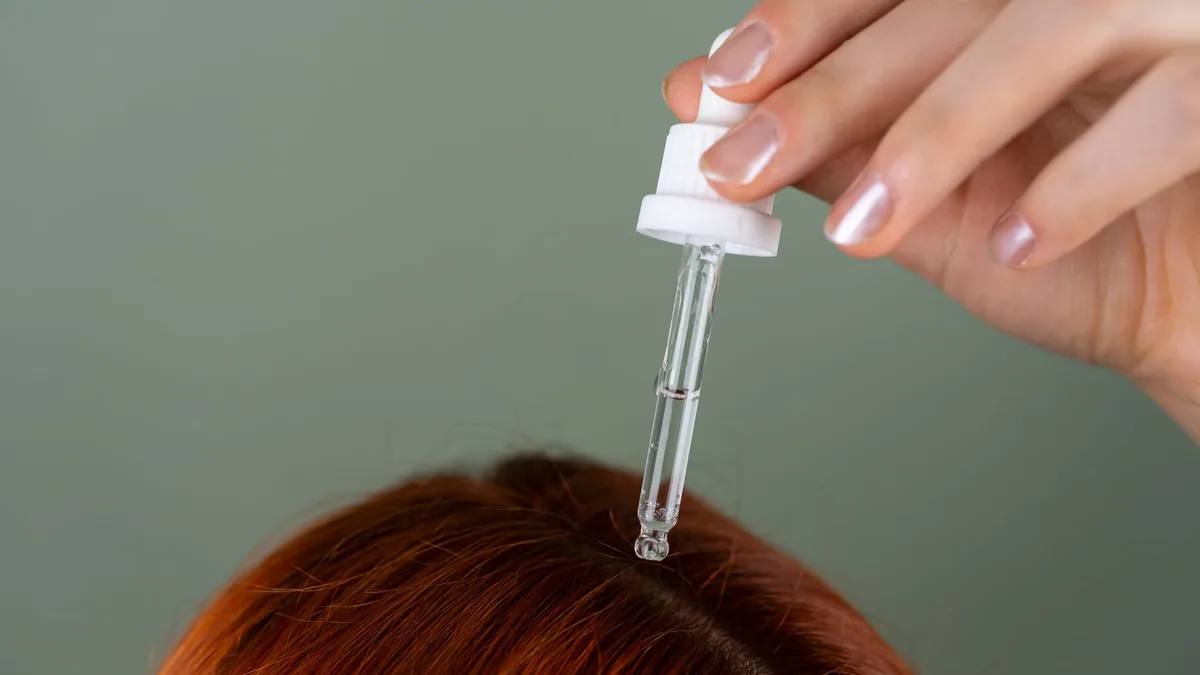
- In-clinic treatments, offered at aesthetic centers or hair clinics, which spray concentrated oxygen onto the scalp, apply a mix of oxygen and ozone, or combine oxygen with a serum of active ingredients (the so-called oxygen infusion).
- “Oxygenating” shampoos and cosmetics, cleansing and care products whose name refers to the inspiration behind the formula or the fresh feeling they aim for, not to a physiological action.
One thing is worth clearing up from the start: the hair follicle does need oxygen, but it gets it from the blood, through the scalp’s microcirculation, not from the surface of the skin. The idea that hair falls out because the follicle “can’t breathe,” and that applying oxygen from the outside is enough to fix it, is a simplification at best.
How an oxygen hair treatment works
In the clinic: oxygen, ozone and active-ingredient infusion
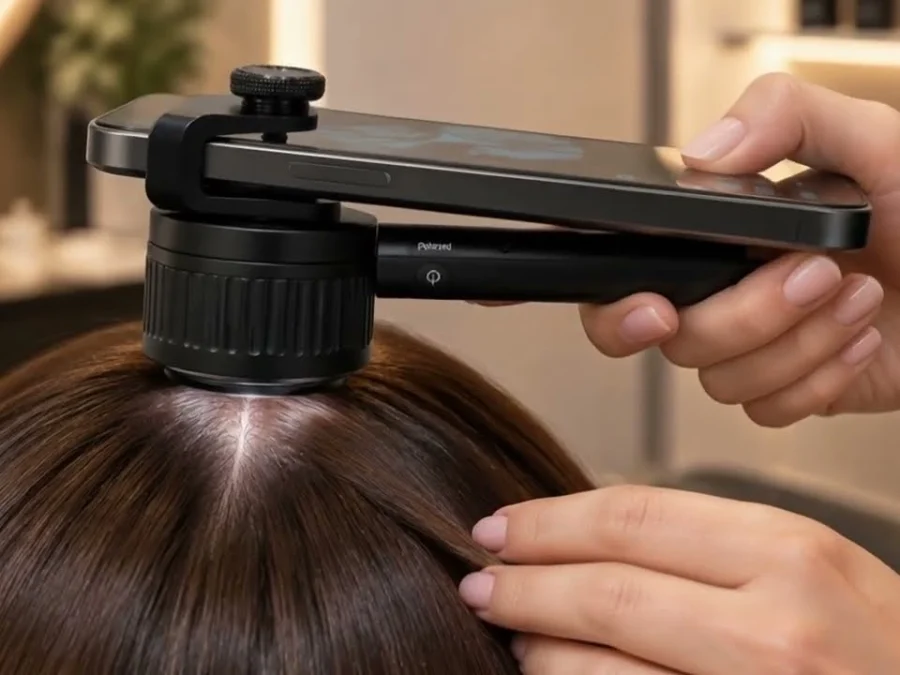
Every center has its own protocol, but a session usually follows a similar pattern: a scalp analysis, often with a magnifying camera; cleansing or exfoliation to remove sebum, buildup and dead skin cells; the oxygen step itself, sprayed under pressure with a device, mixed with ozone or paired with a serum carried along by the gas flow; and, to finish, a massage and sometimes LED light.
These steps do clean the scalp, clear away buildup that can contribute to itching or a heavy feeling, and stimulate the area. What hasn’t been demonstrated is that oxygen applied to the surface reaches the follicle in enough quantity to change its growth cycle. Much of the comfort people feel after a session is probably explained by the deep cleanse and the scalp massage, which you can replicate at home with your own hands.
Oxygenating shampoos: what they are and what they do
An oxygenating shampoo is a cosmetic: it cleanses the scalp, removes excess sebum and styling product residue, and leaves a feeling of freshness and lightness. Some formulas include active ingredients designed for skin comfort and balance, but they don’t oxygenate the follicle. If you’d like one in your routine, choose a gentle shampoo that cleanses without drying and lets you wash as often as your scalp needs.
In our product line, ATP Oxygen Equilibrium Shampoo Plus is a cosmetic shampoo with disodium ATP and oxygen-inspired phytoactives, formulated with the TFD System and designed to cleanse and balance the scalp daily. It’s a hygiene step, not a medical treatment or a substitute for a professional assessment.
What the evidence says
This is where the most caution is needed. We’re not aware of any solid, well-designed studies showing that cosmetic oxygen hair treatments slow hair loss, increase density or change the course of alopecia. What usually circulates are descriptions of protocols and testimonials, which don’t make it possible to separate the effect of the oxygen from that of the cleansing, the massage or simply the passage of time.
Oxygen does have genuine medical uses in other fields, but under conditions and in settings that have nothing to do with an aesthetic clinic, so those results can’t be extrapolated to the scalp. That’s why, from a trichology standpoint, we see scalp oxygen therapy as a hygiene and well-being treatment, not as a therapy for hair loss.
What you can expect (and what you can't)
After a session, it’s common to notice a cleaner, fresher scalp, less itching or oiliness, and hair that feels a little lighter and shinier for a few weeks. These effects are real and consistent with good scalp health, but they’re temporary: they last only as long as your at-home hygiene routine maintains them.
What you shouldn’t expect is for it to stop androgenetic alopecia, restore areas with reduced density, or resolve hair loss caused by hormonal, nutritional, inflammatory or stress-related factors. Those causes require a diagnosis and, where appropriate, a treatment that only a dermatologist can prescribe.
Safety and precautions
In general, an oxygen facial for the scalp is well tolerated when performed by trained staff with the right equipment. Even so, keep the following in mind:
- Ozone. It’s a gas that irritates the airways if inhaled. The center should control the dose, ventilate the room well and avoid applying it near the face without protection.
- Compromised scalp. If you have open wounds, a dermatitis flare, active psoriasis, an infection or irritation after recent hair coloring, postpone the session and check with a dermatologist first.
- Exfoliants and serums. Ask what products are being applied, especially if you have sensitive skin or a history of allergies.
- Pregnancy, breastfeeding and minors. Talk to your doctor or pediatrician before any in-clinic treatment.
- Active hair loss. If you’re losing more hair than usual, the first step isn’t an in-clinic session but a medical assessment to identify the cause.
What to check before trying an in-clinic oxygen treatment
Before you commit to anything, it helps to know exactly what you’re getting. Ask who will be performing the treatment and what training they have, what each session involves (pressurized oxygen, ozone or a serum infusion, and whether it’s combined with LED light, exfoliation or massage), how many sessions are being suggested and why, and what maintenance is expected afterward. Protocols vary a lot from one center to another, so a clear written explanation is a reasonable thing to request.
Always ask for an assessment first, and make sure the goal you’re given is a realistic one, such as a cleaner, more comfortable scalp rather than regrowth. Be wary of any promise to bring back hair you’ve lost: no cosmetic treatment can guarantee that.
Where an oxygen hair treatment fits into a hair loss plan
If hair loss is your concern, an oxygen hair treatment can be, at most, a hygiene and well-being add-on within a broader plan, never its centerpiece. That plan starts with identifying the cause with a professional and continues with measures that do have support, from medical treatment when indicated to a dermocosmetic routine tailored to your scalp. You can review all the alternatives, with their advantages and limitations, in our guide to hair loss treatment options.
Frequently asked questions
There’s no solid evidence that it does. It may leave the scalp cleaner and more comfortable, but hair loss has causes (genetic, hormonal, nutritional, inflammatory or stress-related) that require a diagnosis and, where appropriate, treatment prescribed by a dermatologist. No. Oxygenating shampoos are cosmetics that cleanse, remove buildup and help keep the scalp comfortable. Oxygen reaches the follicle through the blood, not from the surface of the skin. It’s usually well tolerated when performed by trained staff. Avoid it if your scalp is irritated, has open wounds or a flare of a skin condition, and check with your doctor or pediatrician if you’re pregnant, breastfeeding or considering it for a minor. Ozone should be applied with dose control and good ventilation.Does an oxygen hair treatment help stop hair loss?
Does an oxygenating shampoo oxygenate the follicle?
Are there risks with scalp oxygen therapy?
You may also find these useful: royal jelly for hair and approaches to alopecia areata.
This article is for general information and is not a substitute for personalized medical advice. SIMONE TRICHOLOGY products are dermocosmetic and are not intended to diagnose, treat, cure or prevent any medical condition.