




Losing hair can feel alarming, but for women it is far more common than most people realise — and in the majority of cases it is something that can be understood and addressed. Female hair loss rarely has a single cause. It sits at the meeting point of hormones, life stages, general health and how the scalp is cared for. This guide explains why women lose hair, how it differs from male hair loss, and when it is worth seeking a professional opinion.
Is it normal for women to lose hair?
Everyone sheds hair every day. Each follicle moves through phases of growth, transition and rest, and a certain amount of daily shedding is simply how hair renews itself. For most women, losing some hair when washing or brushing is completely normal.
What is worth paying attention to is a noticeable, sustained change: more shedding than usual over several weeks, hair that looks thinner across the crown or parting, or a ponytail that feels visibly finer. These shifts are not necessarily serious — often the cause is straightforward and temporary — but identifying what is behind them is the only reliable way to address them.
How female hair loss differs from male hair loss
Male and female hair loss tend to follow different patterns. In men it often appears as a receding hairline or a defined bald area. In women it more commonly shows up as a diffuse thinning — hair across the top of the scalp gradually loses density while the hairline stays largely intact. This is one reason female hair loss can go unnoticed for longer: there is no single dramatic moment, just a slow change in volume.
Because the pattern is diffuse and the causes are often layered, a proper assessment matters more than guessing. Two women with similar-looking thinning can have completely different reasons behind it.

The main causes of hair loss in women
Several factors can push hair shedding beyond what is typical. The most frequent in women include:
- Hormonal changes. Hormones strongly influence the hair cycle, which is why so much female hair loss clusters around hormonal events — pregnancy, the months after giving birth, and the transition into menopause. Each of these has its own pattern and timeline.
- Pregnancy. Hormonal shifts during pregnancy can change how hair grows and sheds. Read more about hair loss during pregnancy.
- The postpartum period. Many women experience a marked increase in shedding in the months after childbirth, as the hair cycle readjusts. It is usually temporary. Read more about postpartum hair loss.
- Menopause. The hormonal changes around menopause can leave hair looking finer and less dense. Read more about menopause and hair thinning.
- Thyroid and other endocrine factors. An under- or over-active thyroid, among other endocrine imbalances, can affect the hair cycle. These are medical matters that a doctor should assess.
- Nutritional deficiencies. Low iron (ferritin), along with shortfalls in protein, zinc and certain vitamins, can show up in the hair. A doctor can confirm this with simple tests, and hair generally recovers once the deficiency is corrected.
- Stress and telogen effluvium. Significant physical or emotional stress can push a larger share of follicles into the shedding phase at once, leading to noticeable hair loss a few weeks or months later. It typically settles as the trigger passes. Read more about stress-related shedding.
- Female pattern hair loss. Some women experience a gradual, genetically influenced thinning across the crown. A trichological assessment helps clarify what is happening; trichological dermocosmetic care can support the follicular environment and the look of density, while a professional can advise on the wider picture.
- Seasonal shedding. Many people notice slightly more shedding at certain times of year. It is usually mild and self-limiting. Read more about seasonal hair loss.
- Traction. Tight hairstyles that pull on the roots over time can cause localised loss, often along the hairline. Caught early, it is reversible by easing the tension. Read more about traction alopecia.
When to seek a professional opinion
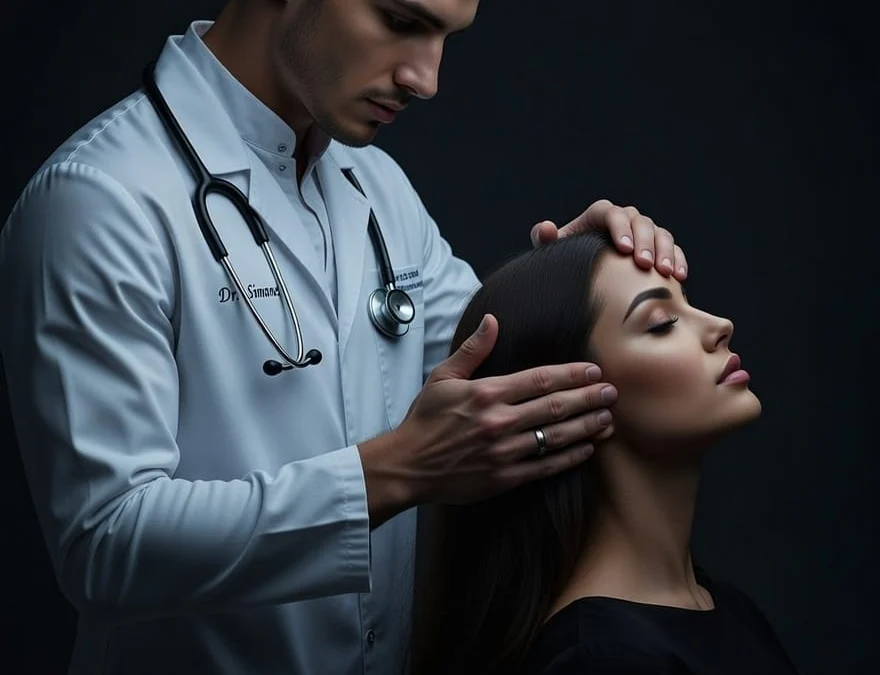
It is worth speaking to a professional when shedding is sudden or heavy, when thinning continues for more than a few weeks without an obvious explanation, when there are bald patches, or when hair loss comes with other symptoms such as fatigue or changes in your cycle — which may point to a medical cause worth investigating with your doctor.
If you would like a starting point, SIMONE TRICHOLOGY offers a free online Hair Clinic: you answer a few guided questions and a trichology specialist reviews your case personally, sending a tailored assessment by email at no cost and with no obligation.
How trichology approaches female hair loss
A trichology-led approach starts at the scalp. Hair grows from a living follicle in a living environment, and supporting that environment is the foundation for stronger, fuller-looking hair. Rather than promising to “fix” hair overnight, the aim is realistic, consistent care: a clean, balanced scalp, the right routine for your concern, and patience through the hair cycle.
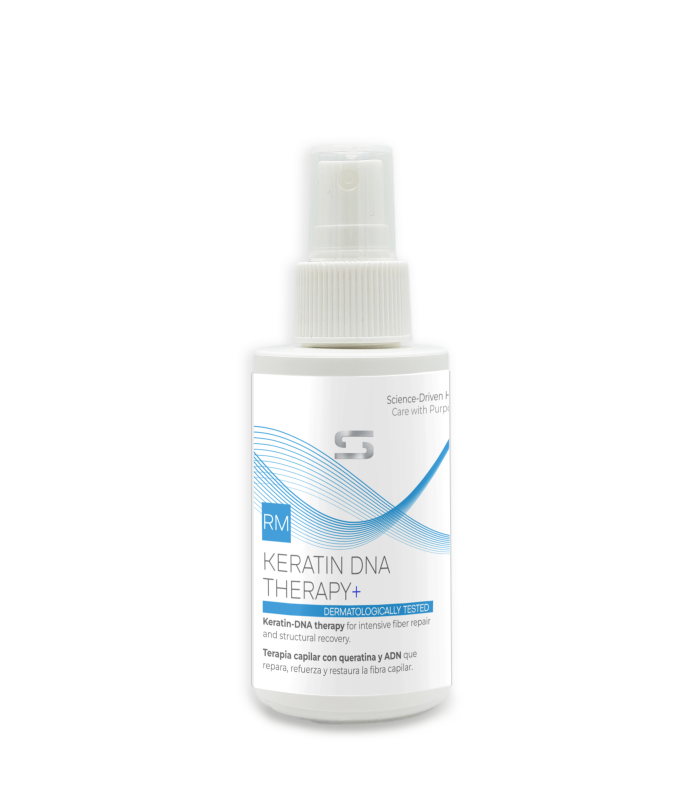
For thinning and density concerns, our Clinical Balding & Hair Regeneration range is formulated to support the follicular environment and the look of density. And because female hair loss is so often layered, pairing a routine with a personalised assessment tends to be more useful than any single product on its own.
You can also explore the fundamentals in our educational hub: Hair Loss & Alopecia.
This article is for general information and is not a substitute for personalised medical advice. SIMONE TRICHOLOGY products are cosmetic and are not intended to diagnose, treat, cure or prevent any medical condition.