




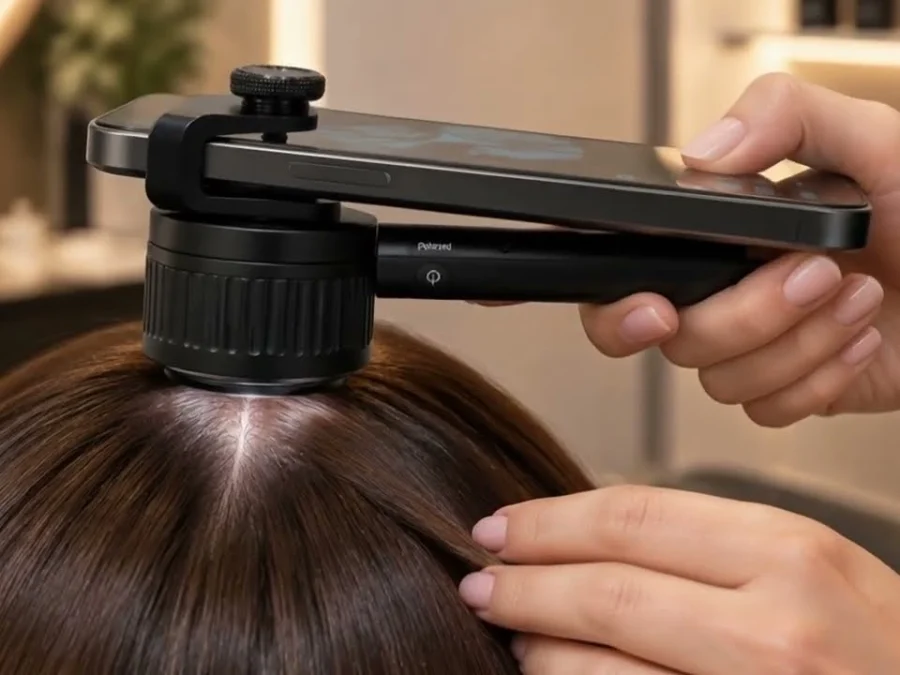
In short: pityriasis steatoides is the technical name for oily dandruff. It shows up as yellowish, greasy scales that cling to a seborrheic scalp, often with itching and hair that looks dirty again quickly. It develops when excess sebum meets an overgrowth of the yeast Malassezia. Greasy dandruff is usually a dermocosmetic concern; if you notice redness, crusts, or lesions beyond the scalp, you should see a dermatologist.
If your flakes aren’t white and powdery but yellowish, “stuck” to the skin and hard to remove, and if your roots already look greasy the day after washing, you’re probably dealing with pityriasis steatoides. In this guide we look at what it is, why it forms, how to tell it apart from dry dandruff, seborrheic dermatitis, and psoriasis, and how to set up a sensible trichological routine.
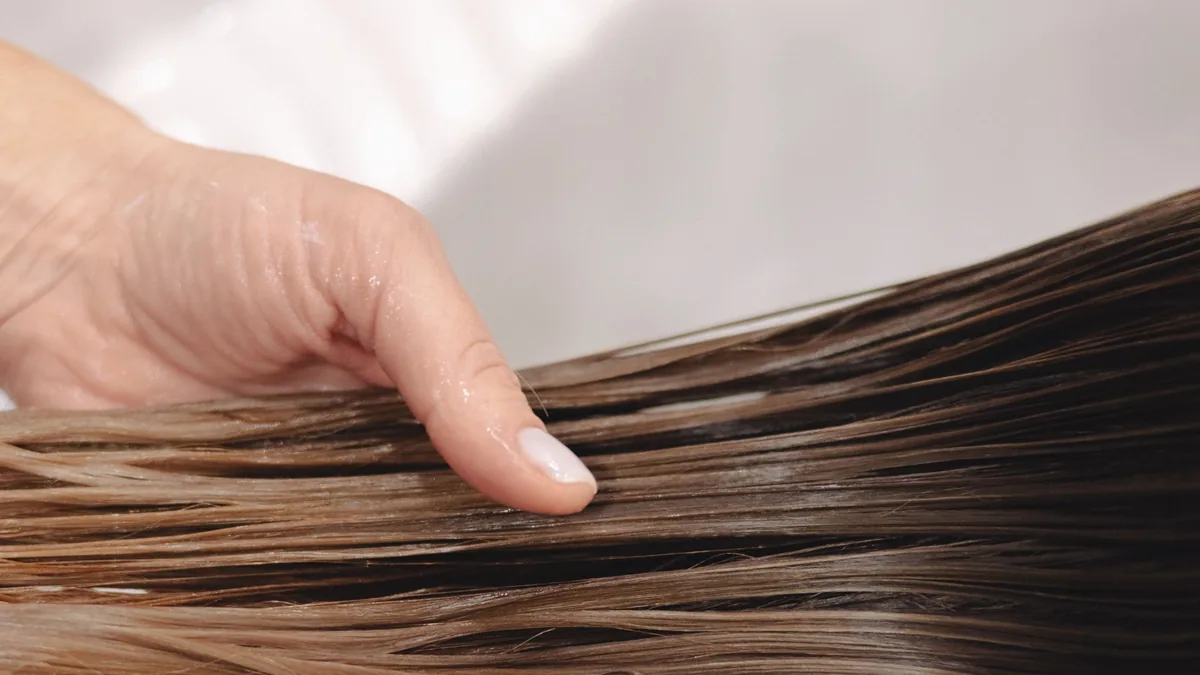
What is pityriasis steatoides?
“Pityriasis” refers to fine flaking of the skin; “steatoides” refers to fat or grease. Together, they describe flaking in a sebum-rich environment. The skin renews itself constantly, shedding dead cells invisibly. When this turnover speeds up and, at the same time, the sebaceous glands produce more sebum than needed, the cells don’t come away one by one. Instead, they get “bound” together in the sebum and form larger scales that are yellowish, greasy to the touch, and stuck to the skin and the base of the hair.
The typical picture includes hair that quickly feels weighed down, shiny roots, itching that comes and goes, and sometimes an unpleasant smell by evening. It isn’t a hygiene issue, and it isn’t contagious. To understand the biology behind flaking, start with the chapter on dandruff and desquamative processes in our beginner’s guide.
Why it develops: sebum and Malassezia
Malassezia is a yeast that is part of the scalp’s normal microbiota. It feeds on the lipids in sebum, and when sebum is abundant, it finds ideal conditions to multiply. As it does, it breaks down triglycerides and releases fatty acids that, in some people more than others, irritate the skin and speed up cell turnover. This creates a cycle: more sebum, more Malassezia, more irritation, more scales, which in turn trap sebum against the skin.
Individual predisposition matters a great deal: two people with the same amount of sebum may react very differently. Hormonal fluctuations, stress, heat and humidity, occlusive products applied to the scalp, and washing too infrequently all tend to make things worse. To understand why a scalp produces excess sebum, read our article on the causes of seborrhea and oily scalp.
Pityriasis steatoides vs. pityriasis simplex: how they differ
Pityriasis simplex is dry dandruff. Telling it apart from the oily form is the first step, because the two call for almost opposite care:
- Pityriasis simplex (dry dandruff): small, white, powdery flakes that fall onto your shoulders as soon as you comb or scratch; a tight-feeling scalp, dull or static-prone hair; worse in cold weather and with indoor heating.
- Pityriasis steatoides (oily dandruff): larger, yellowish, greasy scales that stay attached to the skin and the roots; hair that turns greasy within a day of washing; itching and sometimes an unpleasant odor; worse with heat, humidity, and stress.
A mixed picture, with greasy roots and dry lengths, is not unusual. In that case, the goal isn’t to “dry out” the dandruff but to cleanse the scalp thoroughly without stripping it. You’ll find the full comparison in our article on dry vs. oily dandruff.
Pityriasis steatoides, seborrheic dermatitis, and scalp psoriasis: how to tell them apart
Caution is needed here, because pityriasis steatoides sits right next to conditions that require a medical diagnosis.
Seborrheic dermatitis
Oily dandruff is often considered the mildest end of the seborrheic dermatitis spectrum. The difference lies in inflammation: in pityriasis steatoides, the skin under the scales is a normal color or only slightly pink; in seborrheic dermatitis, red patches appear, sometimes moist, with thicker yellowish scales. Another clue is location: seborrheic dermatitis often also affects the eyebrows, the sides of the nose, the ears, or the chest. If you notice these signs, a doctor should evaluate your scalp.
Scalp psoriasis
Psoriasis forms well-defined, raised, thick plaques covered with dry, silvery, or whitish scales that are not greasy. It often extends past the hairline toward the forehead, the nape, or behind the ears, and may come with plaques on the elbows and knees or changes in the nails. Here too, only a doctor can make the diagnosis. For an overview of the different kinds of flakes, read our dedicated guide to scalp scales.
Habits that make oily dandruff worse
- Washing less often “so you don’t stimulate sebum.” This is a myth: sebum and scales stay on the skin longer and feed Malassezia.
- Harsh shampoos. They degrease thoroughly but irritate the skin barrier and may increase itching and flaking.
- Conditioners, masks, and oils on the scalp. They belong on the lengths: on a seborrheic scalp they add lipids and create an occlusive film.
- Very hot water and a blow dryer held close to the head. They irritate the skin and encourage itching and sensitivity.
- Scratching. It lifts the scales, inflames the skin, and feeds the itch.
- Hats and helmets worn for long periods on a sweaty scalp: heat and humidity favor the yeast.
A dermocosmetic routine for a seborrheic scalp
The trichological approach doesn’t aim to strip away oil aggressively, but to bring cell turnover, the hydrolipidic film, and the microbiota back into balance. In practice, three steps:
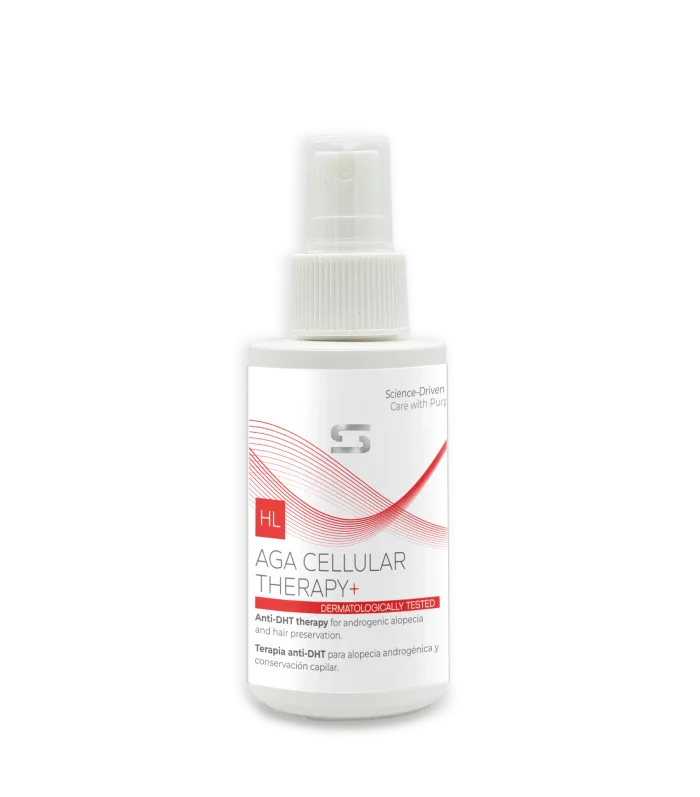
- Prepare. Once or twice a week, before shampooing, apply a pre-wash treatment to the scalp to soften clinging scales and dissolve sebum buildup.
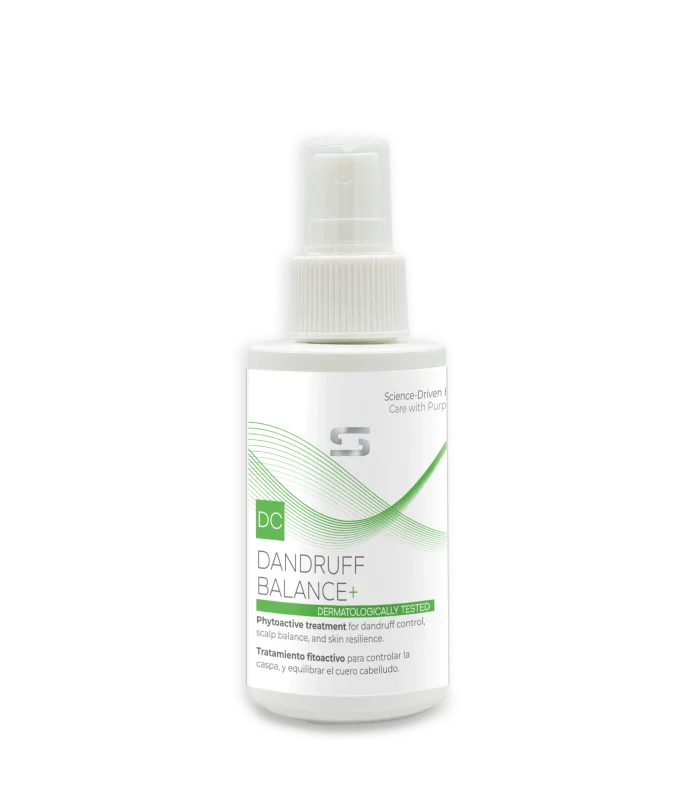
- Cleanse regularly and gently. Use an anti-dandruff shampoo formulated for oily scalp, with sebum-regulating and purifying ingredients, massaged in with your fingertips and rinsed with lukewarm water. A useful frequency is generally every one to two days: what matters is how gentle the formula is, not how rarely you wash. Keep products meant for the lengths away from the scalp.
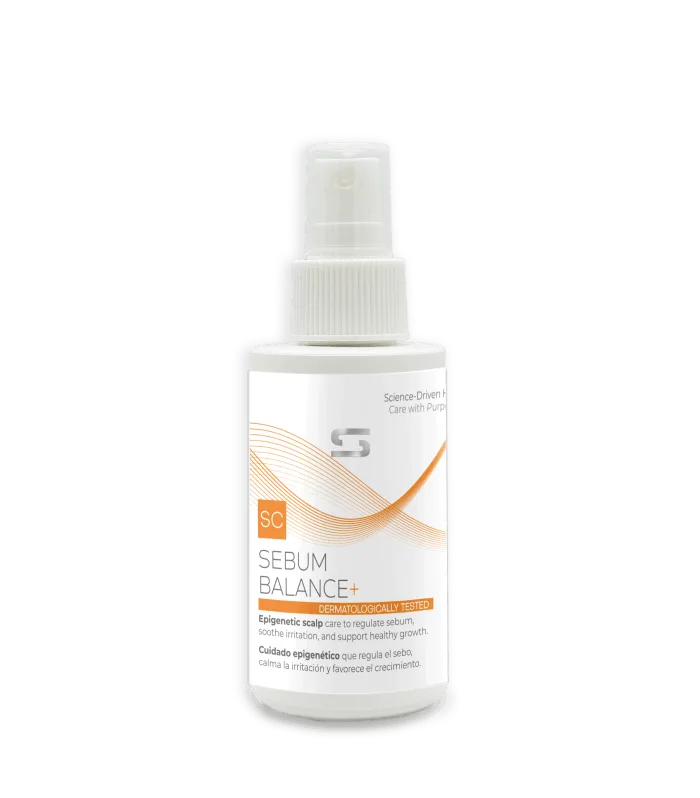
- Treat between washes. A leave-in sebum-balancing lotion applied to the scalp after shampooing may help keep the scalp comfortable, less greasy, and less itchy.
Results take patience and consistency to assess. If you drop the routine as soon as the scales ease up, the problem tends to come back, because your scalp’s predisposition doesn’t change.
When to see a dermatologist
Yellowish, greasy scales on normal-colored skin are usually a dermocosmetic issue. Some signs, however, call for a medical visit: red, inflamed, or moist patches; thick crusts or lesions on the face, eyebrows, ears, or chest; silvery, well-defined plaques; intense itching that disrupts sleep; noticeable hair loss; or no improvement after several weeks of a proper routine. A dermatologist can distinguish pityriasis steatoides from seborrheic dermatitis, psoriasis, or a fungal infection and, if necessary, prescribe medication.
If you’re not sure what type of dandruff you have, a trichology specialist at our online Hair Clinic can review a few photos and a short questionnaire, with no obligation.
Frequently asked questions
It’s the technical name for oily dandruff: yellowish, greasy, clinging scales that form when accelerated cell turnover combines with excess sebum and an overgrowth of the yeast Malassezia. They’re considered part of the same spectrum, but they aren’t the same thing. With greasy dandruff, the skin under the scales looks normal; with seborrheic dermatitis, there is redness and inflammation, often with lesions on the face or chest as well, which require a medical evaluation. Regularly: generally every one to two days, with a gentle shampoo formulated for oily scalp and lukewarm water. Spacing washes too far apart leaves sebum and scales on the skin and tends to make things worse. No. They may help reduce the appearance of scales and keep a seborrheic scalp comfortable, but they don’t treat seborrheic dermatitis, psoriasis, or other medical conditions. Redness, crusts, or persistent itching should be evaluated by a dermatologist.What is pityriasis steatoides?
Is pityriasis steatoides the same as seborrheic dermatitis?
With oily dandruff, should I wash my hair more or less often?
Do dermocosmetic products cure pityriasis steatoides?
You may also find these useful: what dandruff is and why it occurs and dry dandruff and its routine.
This article is for general information and is not a substitute for personalized medical advice. SIMONE TRICHOLOGY products are dermocosmetic and are not intended to diagnose, treat, cure or prevent any medical condition.