


In short: How to prepare for trichoscopy or a trichogram depends on the test. For a trichogram, most clinics ask you not to wash your hair for a few days beforehand; for trichoscopy, washing one or two days earlier is usually fine. On the day, skip styling products, fibers and tight hairstyles, and bring your medication list, any recent blood tests and a timeline of your shedding.
A hair analysis appointment gives better answers when the scalp arrives in a natural state and you bring the right background information. This guide covers trichogram preparation, how to prepare for trichoscopy, what happens at the appointment, and how to apply the same logic online. Clinics differ, so if yours gives you specific instructions, those come first.
Trichoscopy, trichogram and phototrichogram: what each one involves
The three tests look at hair differently, which is why the preparation differs:
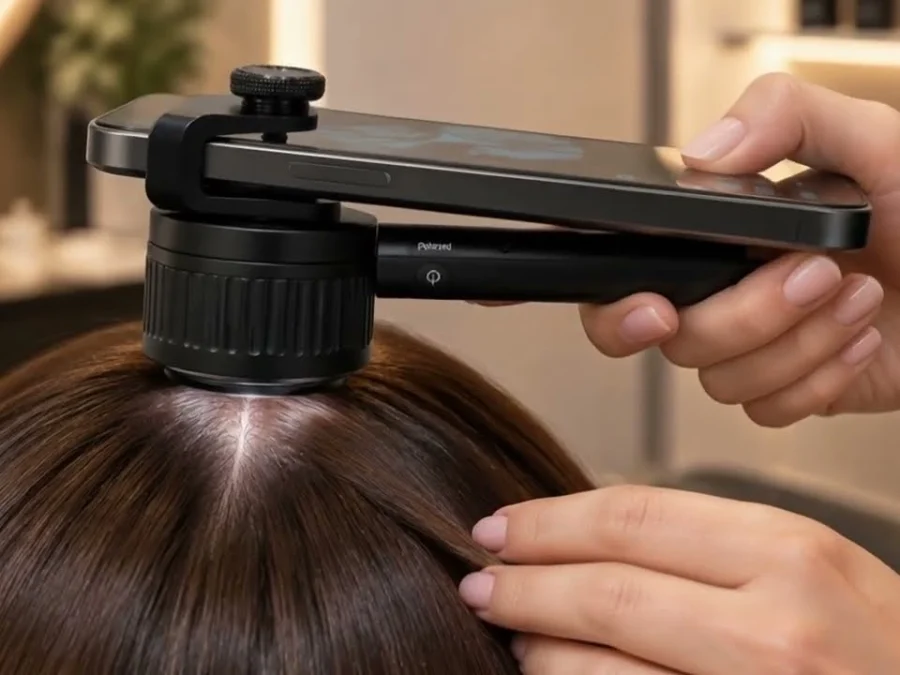
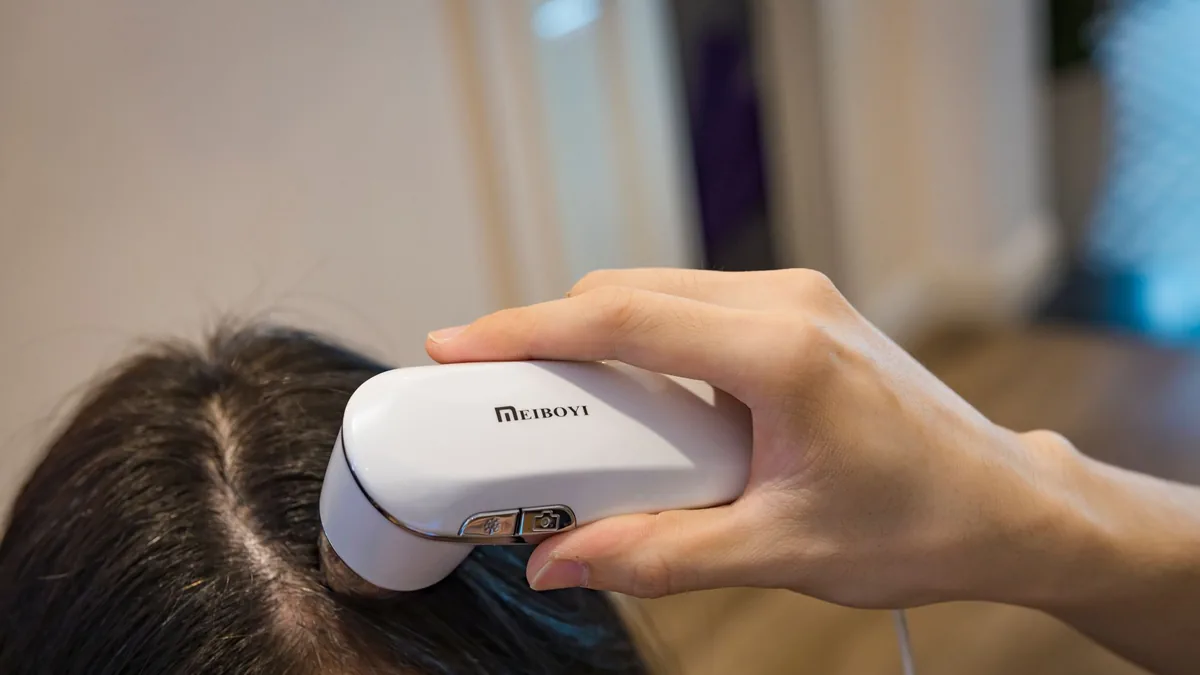
- Trichoscopy: a non-invasive dermoscopic examination of the scalp and hair shafts under magnification and polarized light. Nothing is plucked, and the images can be stored and compared at later visits.
- Trichogram: a microscopic examination of hairs plucked from specific areas (usually around 50 hairs) to estimate the proportion in the growth phase (anagen) versus the resting phase (telogen).
- Phototrichogram: a small area is clipped or trimmed and photographed to measure density and growth — a non-invasive variant that needs no plucking.
For what these tests show and when each is chosen, see our pillar chapter on the trichogram and trichoscopy and our guide to what a hair analysis is and what trichoscopy shows. The rest of this article is the practical side: what to do in the days before and on the day.
How to prepare for trichoscopy
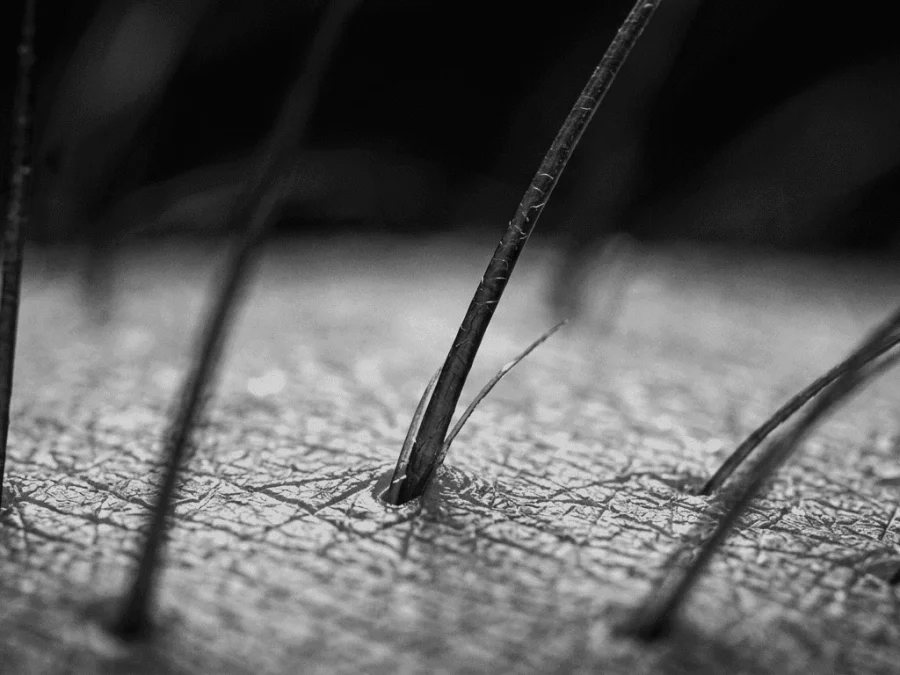
Trichoscopy is usually the first test, and preparation is light. The dermatoscope examines the surface of the scalp — follicle openings, fine hairs, vessels, scaling or redness — so the goal is that nothing covers it.
- Washing: in many clinics a clean scalp, washed one or two days before, is fine. Others ask you to leave the scalp unwashed for one or two days so that sebum and scaling can be evaluated as they really are. Ask which applies to you.
- Nothing on the scalp: no gel, spray, mousse, wax, dry shampoo or oil on the day. Residue can mimic scale or hide the skin.
- No concealers: hair fibers, scalp makeup and root touch-up sprays obscure the follicle openings and should be skipped entirely.
- Hair loose: avoid tight braids, buns, extensions or a wig if possible, so every area can be reached and the hair is not flattened.
The examination is painless, takes a few minutes, and the saved images become the baseline for follow-up.
Trichogram preparation: why you should not wash for a few days
A trichogram counts the proportion of hairs in each phase, so the sample must represent what is really on your scalp. Telogen hairs sit loosely in the follicle and come out easily, mostly during washing and combing. If you wash the night before, many of them are already gone, and the result may show a falsely low telogen proportion.
This is why most clinics ask you to avoid washing for a few days before a trichogram — often three to five days, according to their protocol. In the same spirit:
- Do not comb or brush vigorously on the day, and avoid hairstyles that pull on the roots.
- Do not cut your hair very short or shave the scalp right before; the shafts need some length to be examined, and a phototrichogram needs an area that can be clipped and measured.
The plucking causes brief discomfort rather than real pain and is limited to a few small sites chosen so that results can be compared over time.
Color, chemical treatments and styling: what to avoid before a hair analysis appointment
Chemical processes change both the shaft and the look of the scalp, and a trichoscope sees those changes clearly: dye stains the skin at the roots, bleaching alters the shaft, and straightening or relaxing may leave the scalp irritated for days. If possible, avoid dyeing, bleaching and chemical straightening in the roughly two weeks before the appointment. If you have just colored your hair, do not cancel — simply tell the trichologist when it was done.
Quick checklist for the day of the exam:
- Hair loose and dry, without gel, spray, mousse, dry shampoo or oils.
- No fibers, powders or scalp makeup.
- No extensions, wig or tight braids where avoidable.
- No fresh haircut to very short lengths and no shaved scalp.
- No aggressive brushing or scratching.
Medications, test results and what to bring
The most important rule: do not stop prescribed medication or topical treatment on your own before the exam. Keep using it and mention it; stopping may change what the exam shows and interrupt a treatment that may be helping. If the clinic wants a pause before a specific test, they will tell you.
Bring, on paper or on your phone:
- A list of medications, supplements and topical products, with approximate start dates and, for anything stopped, when.
- Recent blood test results if you have them — ferritin, thyroid function or a general panel. The trichologist can decide whether anything else is needed.
- Previous reports, trichoscopy images and treatments tried, with how the hair responded.
- Relevant diagnoses such as thyroid disease, anemia, or autoimmune or skin conditions.
Your hair timeline, photos and questions
Hair follows a delayed calendar. A trigger such as fever, surgery, childbirth, a strict diet, intense stress or a change in medication typically shows up as increased shedding two to four months later, so the useful history starts before the shedding did. Write down:
- When you first noticed shedding or thinning, and whether it is stable, worsening or coming in waves.
- Events in the two to four months before it started: illness, fever, surgery, childbirth, weight loss, stress, medication changes.
- Family history of hair loss on either side.
- Where relevant, menstrual and hormonal history: cycle changes, pregnancy, contraception, menopause.
- Scalp symptoms (itching, burning, flaking, oiliness) and previous treatments with their results.
Old photos from vacations or celebrations document the hairline and crown as they were years ago. From now on, take standardized photos at home every one or two months: same room, same light, same angle, same part line — crown, part, hairline and temples. A smartphone is enough. Finally, write down your questions: what the images show, which tests come next, how progress will be measured and when to return.
What happens during the appointment and afterward
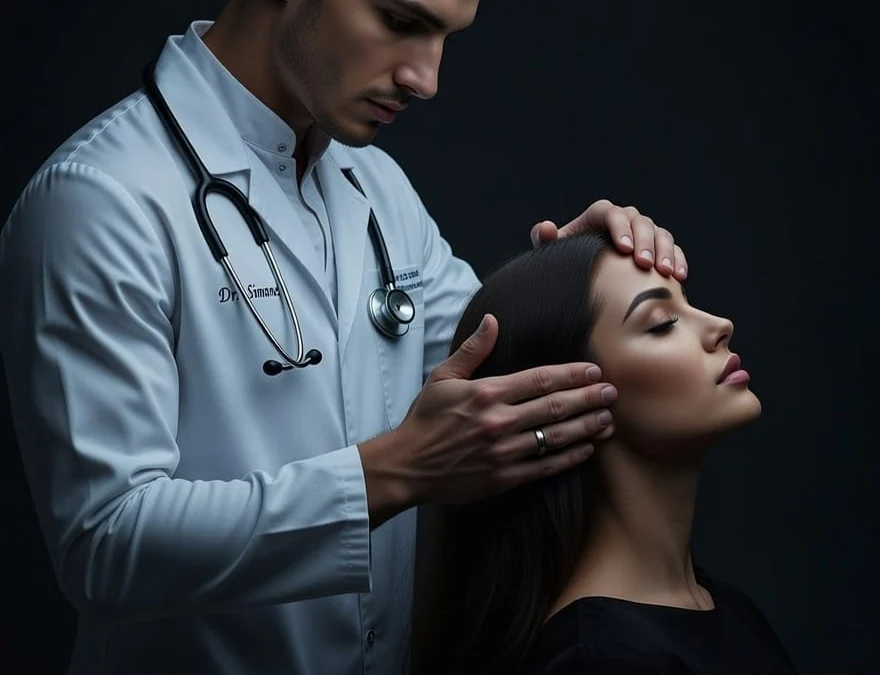
A typical appointment begins with the interview — where your timeline and lists save time — followed by a visual examination of the scalp and the pattern of thinning. Many trichologists perform a pull test, gently drawing a small bunch of hairs to see how many come out. Then trichoscopy: the handheld device is moved over the scalp while images are captured, painless and over in a few minutes. If a trichogram is planned, a few small groups of hairs are plucked, with brief discomfort, and examined under the microscope. Depending on the findings, blood tests may be ordered, and in rare cases where the diagnosis remains unclear a dermatologist may suggest a small scalp biopsy.
Afterward there are no restrictions: you can wash and style as usual the same day. One detail matters later: follow-up images are most useful when taken under the same conditions as the first, so repeat the same washing interval and come without products each time. If the exam raises a concern that needs medical care — a scarring process, an inflammatory scalp disease, an abnormal blood result — the next step is a dermatologist or your physician.
Preparing for an online hair assessment
A first assessment can also be done remotely with good photos and a careful questionnaire, and the same preparation applies: clean, dry hair without products, fibers or makeup; natural daylight or bright, even light; photos of the crown from above, the part line, the hairline and temples, all at the same distance; and the same timeline, medication list and blood results you would bring to a clinic. Our article on AI scalp analysis and digital trichology explains what these tools can and cannot see in a photograph.
If you want a specialist’s view before deciding on an in-person exam, the free online Hair Clinic lets a trichology specialist review your photos and questionnaire and send a personalized assessment, with no obligation. An online assessment is a useful starting point, but it does not replace an in-person trichoscopy or trichogram when one is needed — for example when scarring, inflammation or an unclear diagnosis is suspected.
Frequently asked questions
Trichogram preparation usually means a few unwashed days, often three to five, so that loose telogen hairs are not washed away before they can be counted. The exact interval depends on the clinic’s protocol, so follow the instructions you were given. Usually yes: washing one or two days before is fine in many clinics, as long as you arrive without styling products, dry shampoo, fibers or scalp makeup. Some clinics prefer the scalp unwashed for a day or two to assess sebum and flaking, so ask first. No. Do not stop prescribed medication or topical treatments on your own. Keep using them, write down what you use and since when, and let the trichologist decide whether a pause is useful for a particular test. Trichoscopy is painless; the device simply rests on the scalp while images are taken. A trichogram involves plucking a small number of hairs, which causes a brief, momentary discomfort.How many days before a trichogram should I stop washing my hair?
Can I wash my hair before a trichoscopy?
Should I stop my hair treatment before a hair analysis appointment?
Does a trichoscopy or trichogram hurt?
This article is part of our guide to trichogram and trichoscopy. You may also find these useful: trichoscopy vs scalp biopsy and reading hair analysis results.
This article is for general information and is not a substitute for personalized medical advice. SIMONE TRICHOLOGY products are dermocosmetic and are not intended to diagnose, treat, cure or prevent any medical condition.