



In short: ferritin is the protein that stores iron, and serum ferritin is the usual marker of iron reserves. Low ferritin — iron deficiency even when hemoglobin is normal — is associated with diffuse hair shedding (telogen effluvium), especially in women of reproductive age. There is no universal ferritin threshold for hair, so the result must be interpreted by a doctor, and iron should never be taken without one.
If your hair has been shedding more than usual and a blood test came back with low ferritin, you are probably wondering whether the two are connected and what to do next. This guide explains what ferritin measures, how iron deficiency hair loss usually presents, why the number needs a doctor’s interpretation, and how iron stores and hair tend to recover over time.

What ferritin is and why it matters for hair
Iron does many jobs in the body: it carries oxygen in red blood cells, supports energy production and takes part in cell division. Hair follicles contain some of the most rapidly dividing cells in the body, which is one reason they are sensitive to a shortfall. Ferritin is the protein that stores iron inside cells and releases it when needed. A small amount circulates in the blood, and that serum ferritin level is the standard marker doctors use to estimate how full the body’s iron reserves are.
A key point many people miss: iron deficiency can exist without anemia. Hemoglobin, the figure most of us look at first, often stays normal until reserves are quite depleted, while ferritin may already be low. In this “iron deficiency without anemia” stage, increased shedding is sometimes the first thing a person notices. For the broader picture of how shedding and thinning develop, see our pillar chapter on hair loss and alopecia.
How iron deficiency hair loss usually shows up
The pattern most consistently linked to low iron stores is telogen effluvium: diffuse shedding in which more hairs than usual shift from the growth phase into the resting phase and fall out a few months later. People notice more hair in the shower drain, on the pillow and in the brush, a thinner ponytail and a general loss of density across the whole scalp rather than a bald patch. The association is strongest in women of reproductive age, in whom iron losses are more common.
What about pattern hair loss? Here the evidence is mixed and limited. Androgenetic alopecia is driven mainly by genetics and the follicle’s androgen sensitivity, and it is not established that iron deficiency causes it. What is plausible is that low ferritin adds a layer of diffuse shedding on top of an existing pattern, making the thinning more visible. Correcting the deficiency may settle that extra shedding; it is not expected to reverse the underlying pattern. If you are unsure which type of loss you have, our guide to the types and causes of hair loss walks through the differences.
Reading your ferritin: why there is no magic number
People often search for a single ferritin figure that “explains” their hair loss. In reality, the number has to be read in context, for three reasons:
- Laboratories define deficiency differently. Cutoffs commonly fall somewhere below roughly 15 to 30 ng/mL, depending on the lab and the guideline it follows. Some hair specialists prefer to see higher values in patients with shedding, but this is debated and there is no agreed target for hair. Your doctor decides what your result means for you.
- Ferritin is an acute-phase reactant. It rises with inflammation, infection and liver disease, so a “normal” ferritin can mask a genuine deficiency during or after an illness, or in someone with a chronic inflammatory condition.
- Iron status is more than one test. For a fuller picture, a doctor may also check transferrin saturation, serum iron, a complete blood count with hemoglobin, and CRP to rule out inflammation.
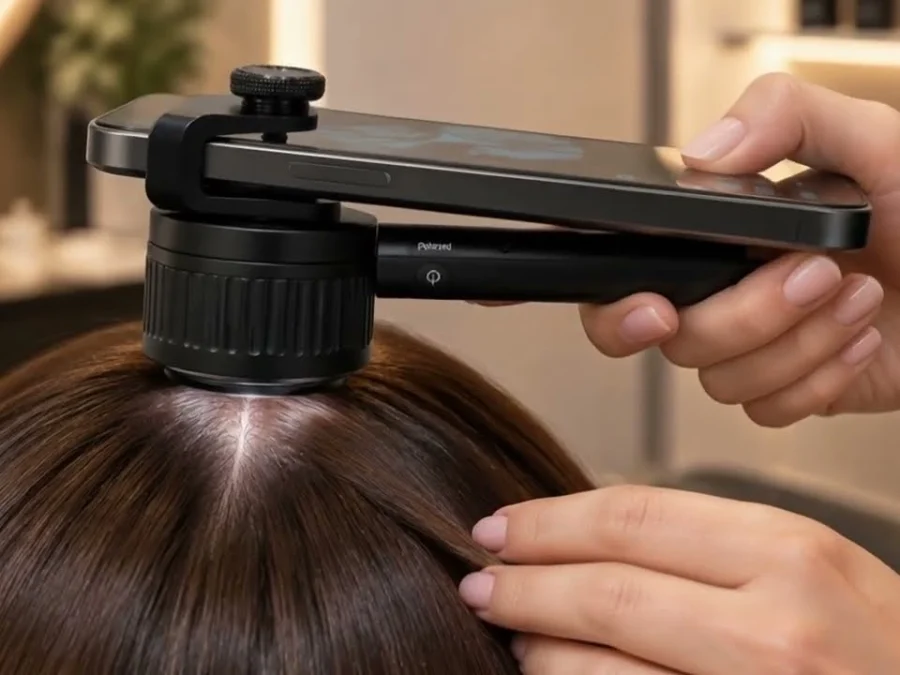
Because hair loss has many possible triggers, the same blood draw may include other markers: thyroid function (TSH), vitamin D, vitamin B12 and zinc are among the tests a doctor may consider. One thing to be clear about: scalp analysis with trichoscopy can show the pattern and activity of hair loss, but it cannot measure iron. Only a blood test can.
Symptoms of low ferritin and who is most at risk
Hair shedding is often not the only sign when iron stores are low. Other signs that should prompt a conversation with your doctor include persistent fatigue, paleness, shortness of breath when climbing stairs or exercising, brittle nails, restless legs at night and feeling the cold more than other people. Some people have several of these; others have only the hair.
Certain situations make iron deficiency more likely:
- Heavy menstrual periods, a leading cause in women of reproductive age.
- Pregnancy and the postpartum months, when demand rises and reserves are often drained.
- Vegetarian or vegan diets that are not planned with iron in mind.
- Frequent blood donation and endurance sports, which both increase losses.
- Gastrointestinal conditions such as celiac disease or inflammatory bowel disease, and bariatric surgery, which reduce absorption.
- Gastrointestinal bleeding, which may be silent.
In men and in postmenopausal women, iron deficiency is never treated as “normal”: it always requires investigation of the cause, because the explanation may be a loss that cannot be seen. Women who want to understand how iron fits alongside hormonal and postpartum triggers will find more in our article on female hair loss.
Why you should not treat low ferritin on your own
It is tempting to buy an iron supplement the day the result arrives. Doctors and trichologists advise against it, for good reasons. Excess iron is harmful: the body has no efficient way to get rid of it, and overloading the stores can damage organs, particularly in people with undiagnosed hemochromatosis, an inherited condition in which iron accumulates. Supplements commonly cause stomach upset, constipation or nausea, which leads many people to take them irregularly. Taking iron “just in case” can also hide the real problem: if the deficiency is caused by bleeding or poor absorption, the supplement improves the number while the cause continues. Finally, iron tablets are a well-known cause of accidental poisoning in children and must be stored out of reach.
Treatment, recovery and what to expect from your hair
Treatment is decided by your doctor once the cause has been identified. In many cases it is oral iron; the schedule varies, and some doctors use alternate-day dosing to improve tolerance. When oral iron is not tolerated or absorption is poor, intravenous iron may be used in selected cases. Just as important is correcting the trigger: managing heavy periods, treating a gastrointestinal condition or adjusting the diet. Your doctor will usually recheck ferritin after a period of treatment to confirm that the stores are refilling.
Patience is part of the plan. Follicles respond to the body’s internal state with a delay, so shedding does not stop the week treatment begins. Once reserves are restored and the trigger is corrected, diffuse shedding typically settles over several months. Regrowth is gradual, because hair grows at roughly 1 cm per month: short new hairs along the hairline and part often appear first, and visible density takes longer. If you would like a trichology specialist to assess the pattern of your shedding while you work with your doctor on the blood side, the free online Hair Clinic reviews a few photographs and a short questionnaire, with no obligation.
Diet: how to support your iron stores
Food matters, although diet alone cannot always correct an established deficiency. The form of iron is key. Heme iron, found in red meat, poultry, fish and shellfish, is absorbed considerably better than non-heme iron, which comes from legumes, lentils, tofu, dark leafy greens, fortified cereals and seeds. People who eat few or no animal products can still meet their needs, but the plate has to be planned.
- Pair plant iron with vitamin C. Peppers, citrus, kiwi, strawberries or tomatoes in the same meal enhance non-heme absorption.
- Keep tea and coffee away from meals. Their polyphenols reduce iron absorption when taken at the same time; leaving a gap of an hour or so is often advised.
- Watch calcium timing. Large amounts of calcium (dairy or supplements) taken with an iron-rich meal can lower the amount absorbed.
Eating well for hair is as much about what you limit as what you add; our article on foods that are bad for hair covers the habits that quietly work against hair quality.
Frequently asked questions
It can be involved. Iron deficiency develops in stages, and ferritin often drops before hemoglobin does. Diffuse shedding has been associated with low ferritin in people whose blood count is still normal, which is why doctors assessing hair loss often look at ferritin rather than hemoglobin alone. There is no universally agreed figure. Laboratories set their own cutoff for deficiency, and some hair specialists prefer higher values, but this is debated. Because inflammation can also distort ferritin, the result should be interpreted by your doctor together with other iron markers. Once iron stores are restored and the underlying cause is corrected, shedding typically settles over several months. Regrowth is gradual, at about 1 cm per month, so a visible improvement in density usually takes longer than the shedding takes to calm down. No. Iron should only be taken when a deficiency has been confirmed and a doctor has looked for the cause. Excess iron is harmful, supplements have side effects, and self-treating can hide problems such as bleeding or poor absorption that need attention.Can low ferritin cause hair loss even if I am not anemic?
What ferritin level is needed for hair growth?
How long does hair take to recover after iron deficiency is treated?
Should I take iron supplements for hair loss without a blood test?
This article is part of our guide to hair loss and alopecia. You may also find these useful: telogen effluvium causes and recovery and female vs male pattern hair loss.
This article is for general information and is not a substitute for personalized medical advice. SIMONE TRICHOLOGY products are dermocosmetic and are not intended to diagnose, treat, cure or prevent any medical condition.